Discover Croatia's Olives and Olive Oil: A Culinary Journey
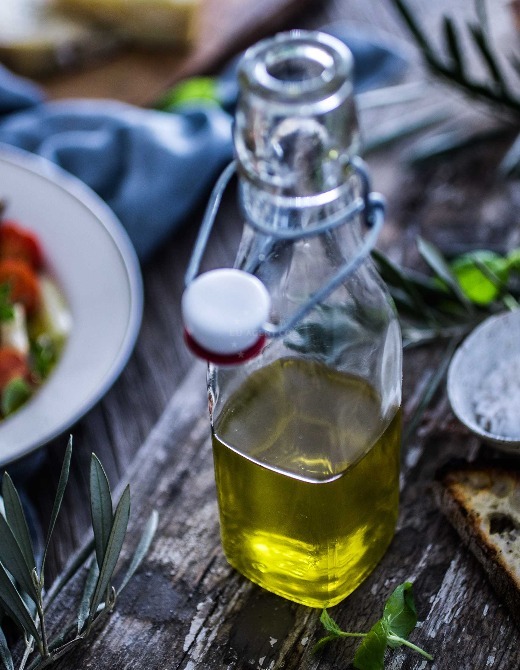
Croatia's coastal regions boast a centuries-old tradition of olive cultivation, with olive oil serving as a cornerstone of Mediterranean cuisine. From Istria to Dubrovnik, the country's olive groves produce some of the most flavorful oils in Europe. This guide explores how to experience and incorporate Croatia's olives and olive oil into your travels and daily meals.
Revival of Ancient Agriculture
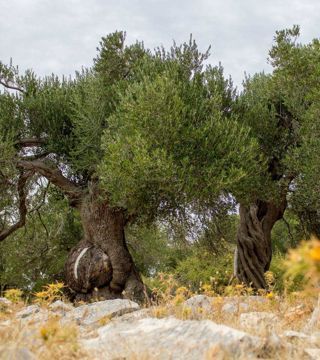
Croatia has seen a remarkable revival of olive farming, blending ancient techniques with modern innovation. Olive groves stretch from the westernmost parts of Istria to the eastern borders of the Dubrovnik region, with new plantations expanding annually. Young producers are gaining international acclaim for their high-quality oils, often cultivated in small, meticulously cared-for groves.
Unique Croatian Practices
Croatian olive oil stands out due to traditional practices like washing olives in the sea, which enhances their flavor profile. Indigenous varieties such as buža and oblica dominate production, though blends are also common. These oils are frequently available in prestigious wine boutiques and local markets.
Visitor Highlights
- Experience the revival of ancient olive farming traditions
- Taste indigenous varieties like buža and oblica
- Explore small, family-owned groves with unique sea-washing techniques
- Sample award-winning oils at local boutiques and agritourism estates
- Learn about Croatia's role in Mediterranean olive oil production
Practical Tips
- Visit olive groves in Istria, Dalmatia, and the Pelješac Peninsula for immersive tastings
- Look for oils labeled with regional designations like Oliva Istrian or Oliva Dalmatinska
- Use extra virgin olive oil in salads, drizzled over grilled vegetables, or as a base for homemade pasta sauces
- Pair with local cheeses like Štrukle or Formajela for a traditional flavor experience
- Attend olive harvest festivals in late autumn for cultural immersion
Frequently Asked Questions
Where can I buy the best Croatian olive oil?
Prestigious wine boutiques in cities like Rijeka, Split, and Dubrovnik often carry high-quality oils. Agritourism estates in Istria and Dalmatia also offer direct tastings and purchases.
What makes Croatian olive oil unique?
Croatian producers use traditional methods like sea-washing olives and focus on small, carefully tended groves. Indigenous varieties like buža and oblica contribute distinct flavor profiles.
How should I use olive oil in cooking?
Use extra virgin olive oil for dressings, drizzling over vegetables, or as a base for sauces. Avoid high-heat cooking to preserve its delicate flavors.
Explore yachts, catamarans and motor yachts available from Croatian bases.
Yacht Search Page