Croatian Horseradish: A Medicinal Root in Holiday Traditions
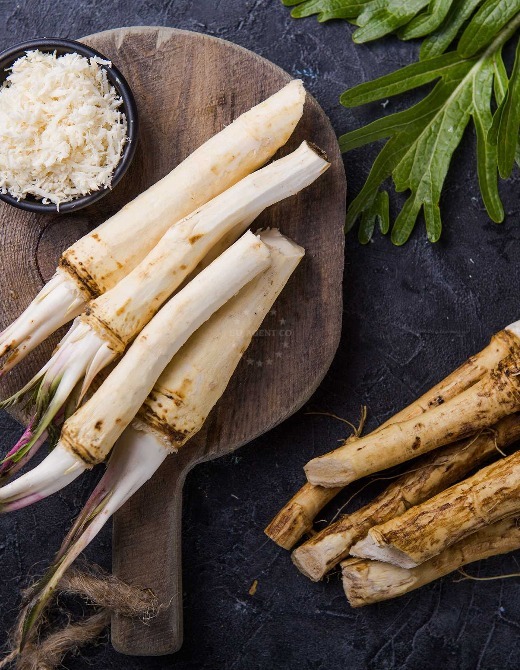
Horseradish, known as hren in Croatian, is a pungent root vegetable with both medicinal and culinary significance. Grown in regions like Ludbreg, it is a staple in festive meals during Christmas, New Year’s, and Easter. Its sharp flavor enhances rich dishes, while its health benefits make it a cherished ingredient in Croatian households.
Horseradish (Armoracia rusticana) is prized for its high vitamin C content and immune-boosting properties. In Croatia, it is traditionally grated fresh and paired with fatty meats, boiled ham, and eggs during holidays. The root’s potency diminishes quickly, so it is often prepared just before serving. Ludbreg, a town in Zagreb County, is renowned for its high-quality horseradish, cultivated on family farms.
During festive seasons, horseradish is a key component of the slavonski borba (Slavonian spread), alongside cheeses and cured meats. Its sharpness balances rich dishes, making it a favorite in traditional recipes. Beyond holidays, it is used in sauces, marinades, and even desserts in some regions.


Visitor Highlights
- Experience horseradish’s fiery flavor in Slavonian holiday feasts
- Visit Ludbreg to sample locally grown horseradish
- Pair it with boiled ham and eggs during Easter traditions
- Learn how to prepare traditional horseradish sauce
Practical Tips
- Grate horseradish fresh for maximum potency
- Pair with sour apples or cream to temper its heat
- Look for Ludbreg horseradish in local markets
- Use it to enhance grilled meats or roasted vegetables
Frequently Asked Questions
What are the health benefits of horseradish?
Horseradish is rich in vitamins C, B1, and B6, as well as iron and potassium. It supports immune function and aids in detoxification by promoting liver health.
Where is horseradish grown in Croatia?
Ludbreg in Zagreb County is famous for its high-quality horseradish, cultivated on small family farms.
How is horseradish traditionally used in Croatian cuisine?
It is grated fresh and served with boiled ham, eggs, and fatty meats during holidays. It also enhances sauces and marinades.
Explore yachts, catamarans and motor yachts available from Croatian bases.
Yacht Search Page