Blitva (Swiss Chard): A Dalmatian Culinary Staple
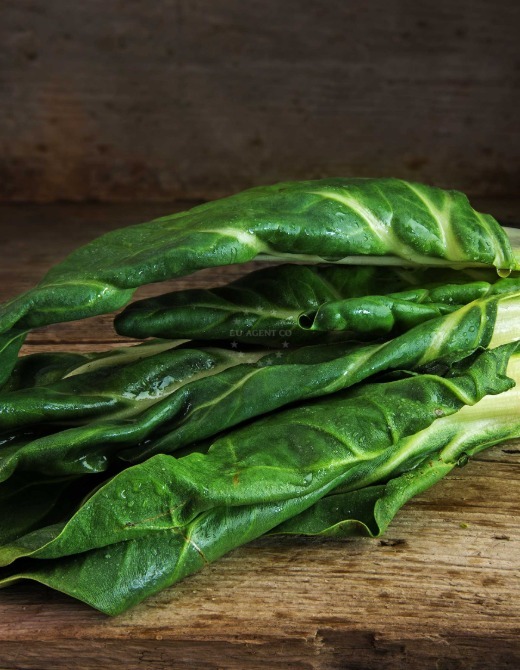
Blitva, or Swiss chard, is a beloved leafy green that holds a special place in Dalmatian cuisine. This vibrant vegetable, known for its bright green leaves and mild, earthy flavor, is a staple in traditional dishes across Croatia. Whether served as a simple stew or incorporated into creative culinary innovations, Blitva reflects the region's deep connection to seasonal, locally sourced ingredients.
The Essence of Blitva in Dalmatian Cuisine
Blitva thrives in the Mediterranean climate of Croatia, particularly in the coastal regions. Young leaves are prized for their tenderness, often boiled briefly and dressed with olive oil, garlic, and a squeeze of lemon. When paired with boiled potatoes, it becomes a comforting side dish that complements grilled fish, a hallmark of Dalmatian seafood traditions.
Historically, Blitva has been a symbol of sustenance, with some suggesting it should be featured in Croatia's national emblem. Its versatility allows it to be used in stews, pies, and even as a filling for savory strudels, showcasing its adaptability in both rustic and refined dishes.
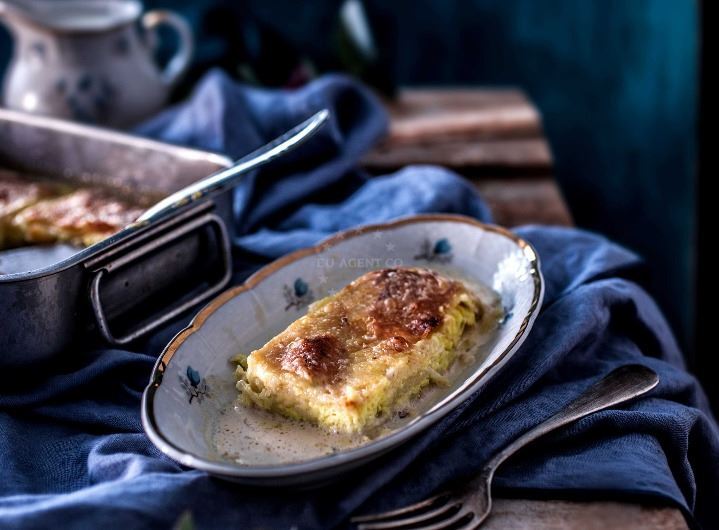
Modern Interpretations of Blitva
Contemporary chefs are reimagining Blitva through innovative recipes, such as chard and cheese strudels, chard-based pasta sauces, and stuffed fish. These creations honor traditional methods while appealing to modern palates. In coastal towns, Blitva is often found in local markets, where vendors sell fresh, young leaves for home cooking or restaurant use.
Regional variations highlight Blitva's role in different culinary traditions. In Slavonia, it may be paired with hearty meats, while in Istria, it might be incorporated into lighter, herb-forward dishes. This adaptability underscores its importance as a foundational ingredient in Croatian gastronomy.


Visitor Highlights
- Traditional preparation: Boiled Blitva with olive oil, garlic, and potatoes, often served with grilled fish.
- Regional specialties: Savory strudels and pies filled with Blitva and fresh cheese.
- Modern twists: Chard-based pasta sauces and stuffed fish dishes in coastal restaurants.
- Market experiences: Fresh Blitva available in local markets like Zagreb's Dolac Market.
- Cultural significance: A symbol of Dalmatian culinary heritage and seasonal eating.
Practical Tips
- Look for young, tender Blitva leaves at local markets for the best flavor and texture.
- Pair with local olive oil and garlic for a simple, authentic preparation.
- Visit coastal towns like Split or Dubrovnik to experience Blitva in traditional seafood dishes.
- Explore restaurants that offer modern interpretations, such as chard and cheese strudels.
- Consider visiting Slavonia for hearty, meat-based Blitva dishes.
Frequently Asked Questions
How is Blitva typically prepared in Croatia?
Blitva is most commonly boiled briefly, drained, and dressed with olive oil, garlic, and lemon. It is often served with boiled potatoes and grilled fish, especially in Dalmatian cuisine.
Where can I find fresh Blitva in Croatia?
Fresh Blitva is available at local markets such as Zagreb's Dolac Market, as well as in coastal towns where it is a staple ingredient in traditional dishes.
Are there modern variations of Blitva dishes?
Yes, contemporary chefs create dishes like chard and cheese strudels, chard-based pasta sauces, and stuffed fish, showcasing the vegetable's versatility.
Explore yachts, catamarans and motor yachts available from Croatian bases.
Yacht Search Page