Legend of the Picoki - Đurđevac’s Ottoman-Defying Folklore
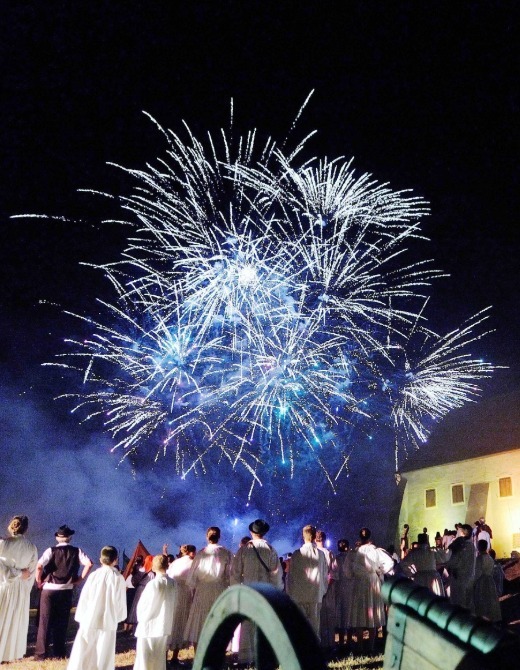
Nestled in the Podravina region along the Drava River, Đurđevac is home to a unique legend that blends folklore with historical resilience. The story of the picoki—clay roosters placed on rooftops to ward off evil—mirrors the town’s defiance against the Ottoman Empire in the 17th century. This tale, often compared to a Croatian 'Game of Thrones,' showcases ingenuity and cultural heritage.
The Legend of the Picoki
The picoki, or clay roosters, are a distinctive feature of Đurđevac’s architecture. According to local tradition, these roosters were believed to protect homes from malevolent forces. However, their symbolic power extended beyond the supernatural during the Ottoman siege of 1664.
The Ottoman Siege and the Picoki’s Role
Historical records detail seven Ottoman assaults on Đurđevac’s fortress. Facing starvation, the defenders devised a cunning strategy: they crafted thousands of clay roosters and placed them on rooftops. The Ottomans, superstitious about the roosters’ supposed magical properties, retreated, fearing a curse. This act of defiance became a cornerstone of local identity.
Picokijada: Celebrating the Legend
Today, the Picokijada festival honors this story with parades, traditional music, and the crafting of new picoki. Visitors can witness artisans shaping the roosters and learn about their historical significance.
Visitor Highlights
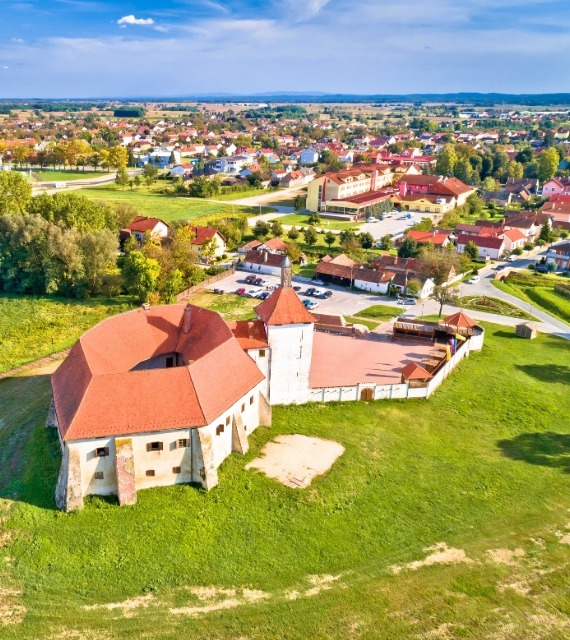
- Explore Đurđevac’s historic fortress and the Drava River landscapes.
- Participate in the annual Picokijada festival (usually in August).
- Admire the unique picoki roosters on local rooftops and in museums.
- Learn about the town’s role in resisting Ottoman expansion.
Practical Tips
Best Time to Visit: Summer (June–August) for the Picokijada festival and pleasant weather.
Getting There: Đurđevac is accessible via Virovitica or Osijek, with bus routes connecting major cities.
Local Delights: Try traditional Slavonian dishes like štrukle (rolled pastries) and štruklji (sweet dumplings).
Frequently Asked Questions
What is the significance of the picoki in Đurđevac’s history?
The picoki, or clay roosters, symbolize Đurđevac’s defiance against the Ottoman Empire. Local legend claims their presence scared off the Ottomans during the 1664 siege.
When is the Picokijada festival held?
The Picokijada festival typically takes place in August, celebrating the town’s folklore and historical resilience.
Can visitors see the picoki roosters in Đurđevac today?
Yes, the roosters are still visible on many rooftops, and the Đurđevac Museum displays examples of traditional picoki craftsmanship.
Explore yachts, catamarans and motor yachts available from Croatian bases.
Yacht Search Page