Dalmatian Salt: The White Gold of the Adriatic
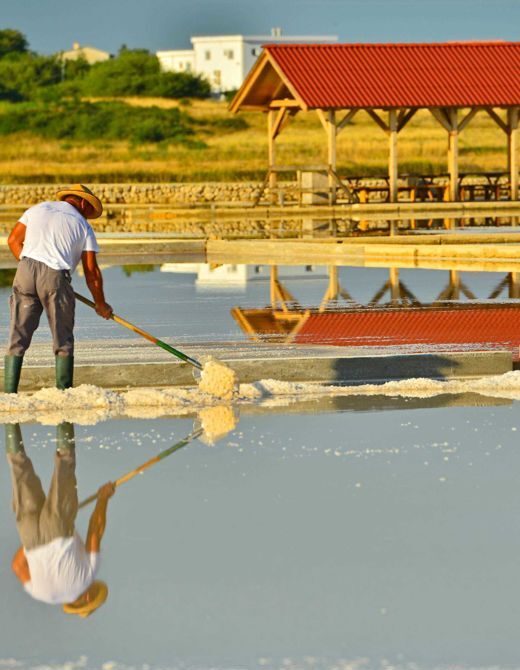
The Dalmatian coast, renowned for its sun-kissed beaches and azure waters, harbors a hidden treasure: salt. Known as 'white gold,' this natural resource has shaped the region's economy and history for centuries. From ancient trade routes to modern-day production, Dalmatian salt remains a symbol of Croatia's rich heritage.
Historical Significance of Dalmatian Salt
Dalmatian salt has been a cornerstone of the Adriatic economy since antiquity. The Dubrovnik Republic (Ragusa) thrived in part due to its control over salt production, with one saltpan alone contributing a third of the state's annual income. Salt was not only a commodity but also a strategic resource, used in preserving food, tanning leather, and even as currency in trade agreements.
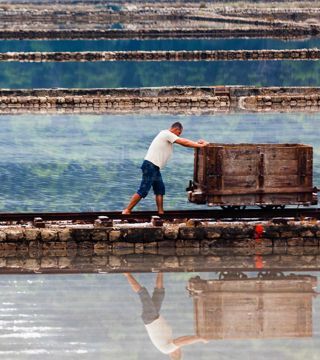
Traditional saltworks, such as those in Nin, date back to Roman times. These ancient facilities utilized the unique geography of the Adriatic, where solar evaporation of seawater in shallow basins created high-quality salt. The process, still practiced today, involves collecting seawater, evaporating it in large pans, and harvesting the crystallized salt—a method that has changed little over centuries.
Visitor Highlights
- Visit the Nin Saltworks: Explore one of the oldest continuously operating saltworks in Europe, offering guided tours and tastings of traditional Dalmatian salt.
- Historical Reenactments: Experience medieval salt trade practices through immersive exhibits and demonstrations at local museums.
- Local Cuisine: Sample dishes that highlight the use of Dalmatian salt, such as preserved fish and artisanal cheeses.
Practical Tips
- Best Time to Visit: Spring and early autumn offer ideal weather for exploring saltworks and coastal trails.
- Guided Tours: Many saltworks provide English-language tours, offering insights into production techniques and historical context.
- Combine with Nearby Attractions: Pair your visit with trips to nearby UNESCO sites like the Cathedral of St. James in Šibenik or the medieval town of Trogir.
Frequently Asked Questions
How is Dalmatian salt produced?
Dalmatian salt is produced through solar evaporation of seawater in shallow basins, a method that has remained largely unchanged since ancient times. The process involves collecting seawater, evaporating it in large pans, and harvesting the resulting salt crystals.
What makes Dalmatian salt unique?
Dalmatian salt is prized for its purity and mineral content, derived from the unique composition of Adriatic seawater. Its historical significance and traditional production methods further distinguish it as a cultural treasure.
Are there saltworks open to the public?
Yes, several saltworks in Croatia, such as the Nin Saltworks, offer public tours. These visits include insights into the history, production process, and the role of salt in the region's economy.
Explore yachts, catamarans and motor yachts available from Croatian bases.
Yacht Search Page