Dalmatian Fjaka: The Art of Relaxation in Croatia
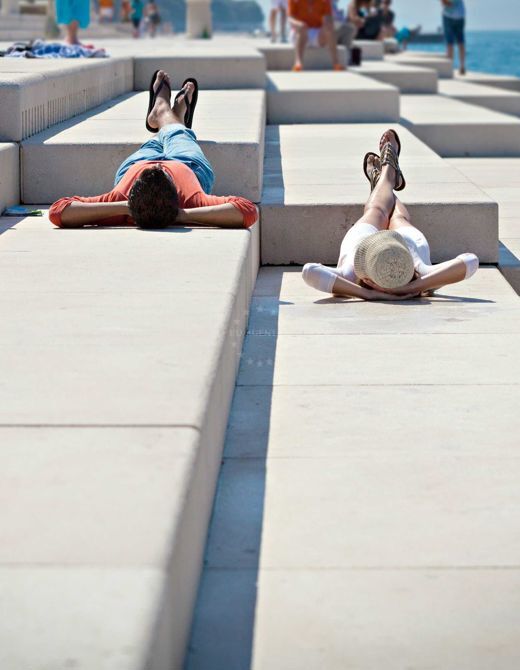
Fjaka, a term deeply rooted in Dalmatian culture, is more than just relaxation—it's a philosophy of life. Originating from the coastal regions of Croatia, fjaka embodies the art of slowing down, savoring the moment, and harmonizing with nature. This unique practice, often mistaken for laziness, is a deliberate choice to embrace tranquility and connect with the rhythms of the Adriatic. Discover how fjaka shapes Croatian identity and how you can experience it firsthand.
What is Fjaka?
Fjaka is a cultural phenomenon that defines the Dalmatian way of life. It refers to the practice of taking long, leisurely naps during the hottest part of the day, typically between 2 PM and 5 PM. This tradition is not merely about rest but about aligning with the natural cycles of the Mediterranean climate. Fjaka is often accompanied by a siesta, a cool drink, and the gentle sounds of the sea, creating a moment of pure serenity.
While some may confuse fjaka with laziness, it is a deliberate act of self-care. It reflects a deep respect for the body's need for rest and a cultural emphasis on balance between work and leisure. Fjaka is a time to disconnect from the hustle of daily life and reconnect with oneself and the environment.

The Science of Fjaka
Modern science supports the benefits of fjaka. Studies suggest that midday naps can improve cognitive function, reduce stress, and enhance overall well-being. In Croatia, fjaka aligns with the body's natural circadian rhythm, allowing for a brief period of rest that replenishes energy without disrupting nighttime sleep.
Cultural anthropologists note that fjaka is a form of mindfulness, encouraging individuals to be present in the moment. This practice, though simple, has profound effects on mental and physical health, making it a valuable aspect of Croatian lifestyle.
Experiencing Fjaka in Croatia
To truly embrace fjaka, visit coastal towns like Zadar, Split, or Dubrovnik, where the tradition is most deeply rooted. These destinations offer the perfect setting for a fjaka: sun-drenched terraces, the sound of waves, and a relaxed pace of life. Local cafes and family-run taverns often welcome visitors to join in the tradition, offering refreshing drinks and a comfortable place to rest.
Consider visiting during the warmer months (May–September) when the siesta is most commonly practiced. Many hotels and guesthouses in Croatia now incorporate fjaka into their wellness programs, offering guided relaxation sessions or curated experiences that highlight this unique cultural practice.
Visitor Highlights
- Zadar's Sea Organ: A unique musical installation that plays harmonies with the Adriatic waves, creating the perfect ambiance for a fjaka.
- Split's Rector's Palace: A historic site where you can relax in the shade of ancient stone arches, surrounded by the Mediterranean breeze.
- Dubrovnik's City Walls: Take a break during your walk and enjoy a fjaka with panoramic views of the Adriatic Sea.
- Local Taverns: Experience traditional Dalmatian hospitality with a glass of wine and a siesta in a family-run establishment.
Practical Tips
- Plan your visit around the midday heat (12 PM–4 PM) for the most authentic fjaka experience.
- Bring a light blanket or parasol for added comfort during your rest.
- Explore local markets for traditional snacks like štrukle (rolled pastries) or šljivovitza (plum brandy) to enjoy during your siesta.
- Respect local customs by avoiding loud conversations or activities during fjaka hours.
- Many coastal towns have shaded terraces or beachside lounges designed specifically for fjaka.
Frequently Asked Questions
Is fjaka the same as laziness?
No, fjaka is a deliberate practice of rest that aligns with the body's natural rhythms. It is a cultural tradition, not an avoidance of responsibility.
Can visitors learn to embrace fjaka?
Absolutely. Many Croatian hotels and cultural centers offer guided experiences to help visitors understand and participate in the fjaka tradition.
What are the benefits of fjaka?
Fjaka promotes relaxation, reduces stress, and aligns with the body's circadian rhythm. It is linked to improved mental clarity and overall well-being.
Are there specific places in Croatia where fjaka is most practiced?
Yes, coastal towns like Zadar, Split, and Dubrovnik are renowned for their strong fjaka traditions, often incorporating it into daily life and tourism experiences.
Explore yachts, catamarans and motor yachts available from Croatian bases.
Yacht Search Page