Search yachts, marinas, sailing routes, airport transfers and Adriatic destinations with Euro Agent AI since 1999.
Zabrđe (Ston): beaches and covesZabrđe (Ston)
7 photos
Nestled on the southern coast of Croatia, Zabrđe (Ston) lies within the Pelješac Peninsula, a region renowned for its dramatic cliffs, medieval history, and proximity to Dubrovnik. This area, shaped by centuries of maritime trade and cultural exchange, offers a unique blend of natural beauty and historical intrigue. While Zabrđe itself is a quiet coastal stretch, its location provides easy access to some of the Adriatic’s most iconic sights, from ancient fortifications to modern ferry routes that connect the peninsula to the mainland.
About this beach
Zabrđe (Ston): beaches and coves
Beach character
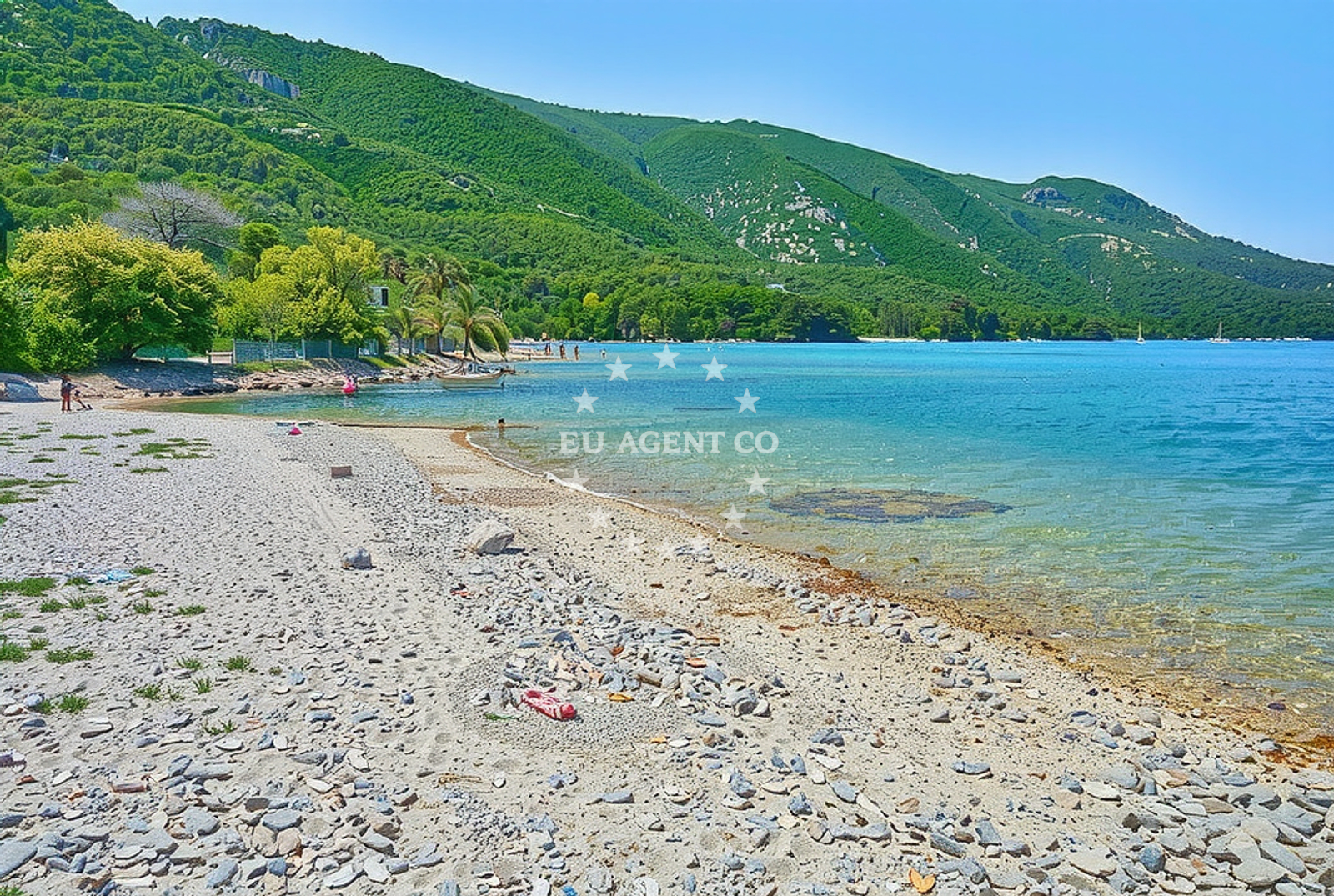
The beaches and coves of Zabrđe (Ston) reflect the rugged yet inviting character of the Pelješac Peninsula. The shoreline here is marked by a mix of pebbled beaches and sheltered bays, many of which are accessible via short walks from the main road. The area’s geological formations, shaped by the Adriatic Sea’s tides, create a varied landscape that includes rocky outcrops and narrow inlets. While specific details about the beach’s conditions are not documented, the broader region is known for its clear waters and gentle waves, making it a favored spot for swimmers and kayakers.
Swimming and shore
The coastal waters around Zabrđe are part of the broader Adriatic coastline, known for its relatively calm conditions during the summer months. The proximity to the Pelješac Bridge, completed in 2020, has increased accessibility to the area, though the beach itself remains less developed compared to other parts of the peninsula. Visitors may find the shoreline suitable for casual swimming, with the nearest larger beaches located in nearby settlements such as Ston and Pučišta. The region’s natural contours also create several small coves that offer more secluded swimming opportunities.
Facilities and activities
Facilities at Zabrđe (Ston) are minimal, with the beach itself appearing to be a natural, undeveloped stretch of coastline. No specific amenities such as showers, restrooms, or parking are documented in the beach catalog. However, the surrounding area offers a range of services, including restaurants in nearby Ston and Pučišta, as well as access to the Pelješac Peninsula’s network of roads and trails. Activities in the region include exploring the Ston City Walls, one of Europe’s longest continuous city walls, and visiting the nearby Dubrovnik Old Town, a UNESCO World Heritage Site.
Access and location
Zabrđe (Ston) is located on the Pelješac Peninsula, approximately 25 kilometers northeast of Dubrovnik. The area is accessible by car via the main coastal road (D8), which connects to the peninsula through the Pelješac Bridge. This bridge, spanning the Strait of Oyster, is a modern engineering feat that has significantly improved travel between the peninsula and the mainland. For visitors arriving by sea, the nearest marinas are in Ston and Dubrovnik, both of which are well-equipped for yacht charters and offer access to the region’s sailing routes.
What to expect
Visitors to Zabrđe (Ston) can expect a tranquil coastal experience with a strong emphasis on natural landscapes and historical context. The beach itself is likely to be a quiet, undeveloped stretch of shoreline, ideal for those seeking solitude or a peaceful swim. The surrounding area offers opportunities to explore the Pelješac Peninsula’s rich heritage, including the medieval Ston City Walls, which date back to the 13th century and were built to defend against Ottoman invasions. Nearby, the village of Ston is a small but historically significant settlement, known for its saltworks and proximity to the Adriatic’s saltwater lagoons.
Practical tips
Given the lack of documented facilities at Zabrđe (Ston), visitors are advised to bring essentials such as water, sunscreen, and a picnic if planning to spend extended time on the beach. The nearest amenities, including restaurants and shops, are located in the nearby village of Ston, which is worth visiting for its historical landmarks and local cuisine. For those traveling by car, parking along the coastal road may be limited during peak seasons, so arriving early is recommended.
Exploring the coast by yacht
For yacht charter guests, the Pelješac Peninsula offers a compelling sailing destination with a mix of sheltered bays, open sea routes, and proximity to Dubrovnik. The area is part of the broader Adriatic sailing region, where EURO AGENT specializes in arranging charters for motor yachts and sailboats. Yacht owners can explore the coastline from the marinas in Ston or Dubrovnik, with opportunities to anchor in nearby bays or visit the islands of Mljet and Šipan. The Pelješac Bridge also serves as a strategic point for navigating between the peninsula and the mainland, making it a convenient hub for charter itineraries.
Historical Context of Ston
Ston, the nearby settlement, is one of the oldest towns in Croatia, with a history dating back to ancient times. The city’s most notable feature is its medieval walls, which were constructed in the 13th and 14th centuries to protect the town from invasions. These walls, stretching over 5.5 kilometers, are a testament to the region’s strategic importance during the Middle Ages. Today, they are a popular tourist attraction, offering panoramic views of the Adriatic Sea and the surrounding vineyards.
Frequently asked questions
Is there parking available at Zabrđe (Ston)?
While specific parking details for Zabrđe (Ston) are not documented, the nearby village of Ston offers parking options for visitors. It is advisable to arrive early during peak seasons to secure a spot.
What are the best nearby attractions?
Nearby attractions include the Ston City Walls, the Pelješac Bridge, and the Dubrovnik Old Town. The region also offers opportunities for sailing, hiking, and exploring local vineyards.