Veli Lošinj (Lošinj): Beaches and Coves, Croatia
5 photos
About this beach
Veli Lošinj (Lošinj): beaches and coves
Beach character
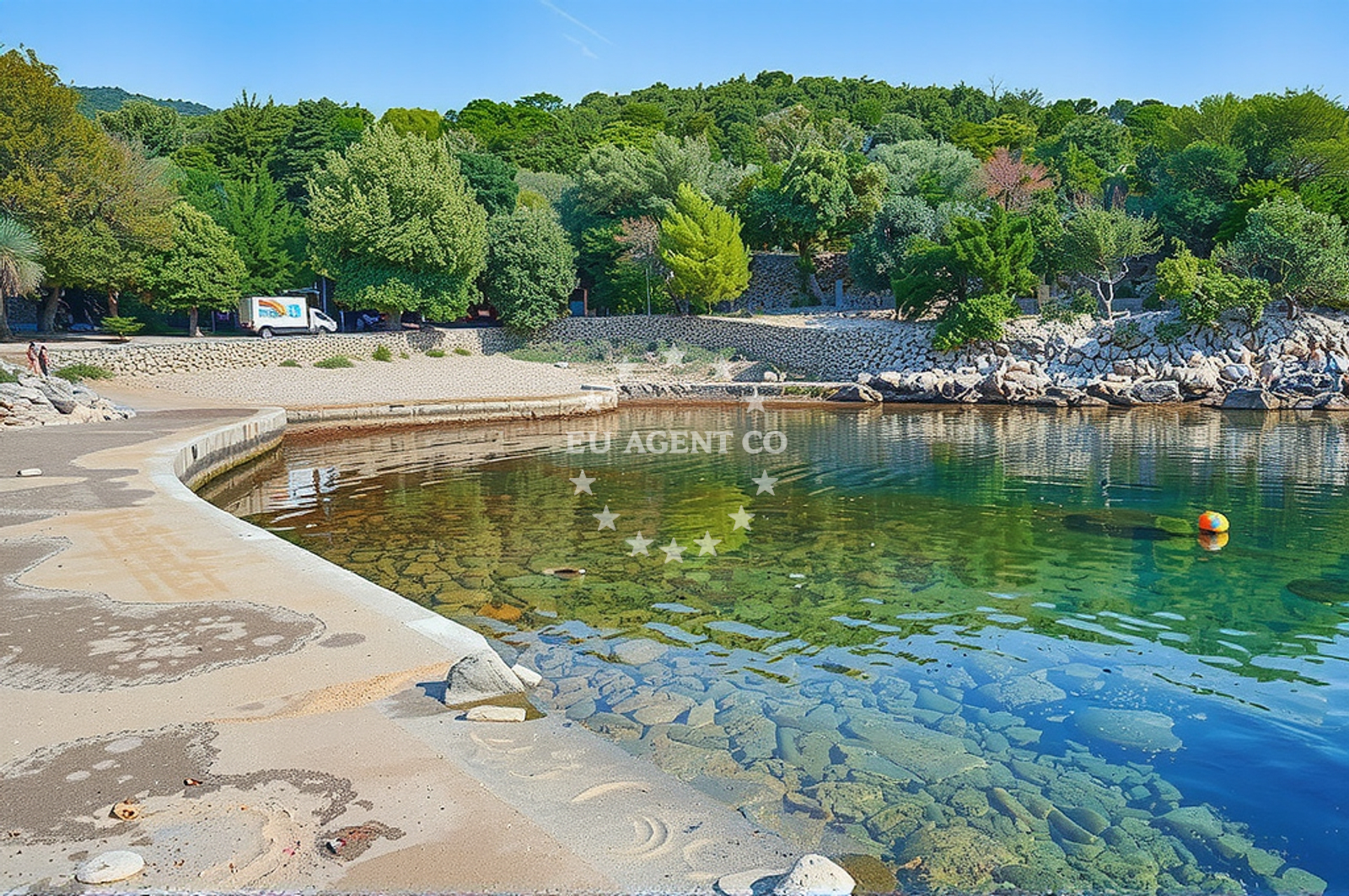
The beaches and coves of Veli Lošinj reflect the island's geological history, shaped by the collision of the Adriatic and Eurasian tectonic plates. The shoreline features a mix of steep rocky cliffs, shallow bays, and narrow inlets that create microclimates with distinct ecosystems. During summer, the interplay of sunlight and shadow across these formations produces dynamic visual effects. The water clarity varies with depth, with deeper coves often showing clearer visibility due to reduced sediment disturbance. The absence of large-scale tourism infrastructure preserves the area's natural character, though local traditions influence seasonal patterns of use.Swimming and shore
Swimming conditions depend on the specific cove, with some areas offering calmer waters protected by natural rock formations. The shorelines typically consist of a combination of pebbles and small stones, with limited stretches of sand in more sheltered locations. Tide patterns influence accessibility, particularly in narrower inlets where higher tides can temporarily submerge entry points. The surrounding waters are part of a marine protected area, which contributes to the region's biodiversity but also means recreational activities must respect designated conservation zones.Facilities and activities
While no specific beach facilities are documented, the broader Lošinj region supports a range of land-based amenities. The island's main town offers basic services including accommodation, restaurants, and boat charter offices. Traditional activities include fishing, which remains a cultural practice, and hiking along the island's coastal trails. Snorkeling is possible in shallower areas, though divers should be aware of protected marine habitats. The lack of formal beach infrastructure means visitors should plan for self-sufficiency in terms of provisions and equipment.Access and location
Veli Lošinj is accessible via road connections to Lošinj town, the island's primary settlement. The nearest major port is in Lošinj, which serves as a hub for both local and international maritime traffic. The area's position within the Cres-Lošinj archipelago places it near several other islands, creating a network of potential sailing routes. Land access requires navigating the island's secondary roads, which may be subject to seasonal maintenance conditions. The region's isolation contributes to its preserved natural state but also means visitors should consider transportation logistics in advance.What to expect
The beaches and coves of Veli Lošinj provide a landscape defined by natural formations and limited human intervention. Visitors can expect a rugged coastline with varied shore types, where the interplay of rock, water, and vegetation creates a dynamic environment. The area's marine protected status means recreational use must be mindful of conservation guidelines. While there are no formal beach facilities, the island's main town offers essential services for visitors. The region's appeal lies in its unspoiled character, making it suitable for those seeking a more remote coastal experience.Practical tips
Visitors should check tide schedules before planning access to more secluded coves, as some inlets may be inaccessible during low tide. The lack of formal beach infrastructure means bringing personal supplies for meals and refreshments is advisable. For those interested in water activities, local charter offices in Lošinj town can provide information about sailing opportunities in the surrounding archipelago.Exploring the coast by yacht
The waters around Veli Lošinj are part of a well-established sailing route in the northern Adriatic. The island's position within the Cres-Lošinj archipelago offers a network of anchorages and potential sailing paths to nearby islands. Yacht charter guests may find the area appealing for its combination of natural beauty and proximity to Lošinj town, which serves as a base for maritime activities. The region's marine protected status requires adherence to specific guidelines, which are typically outlined by local charter providers.Regional Context
The Cres-Lošinj archipelago is renowned for its clear waters and diverse marine life, with Veli Lošinj forming part of this protected maritime environment. The island's history as a fishing community continues to influence local practices, with traditional boat-building techniques still visible in some coastal areas. The region's position near the Istrian Peninsula creates a unique blend of Adriatic and Mediterranean ecological characteristics.
Frequently asked questions
Are there any formal beach facilities on Veli Lošinj?
Official records do not document specific beach facilities on Veli Lošinj. The area's natural character is preserved through limited human intervention, with essential services available in the nearby town of Lošinj.What are the best times to visit the beaches of Veli Lošinj?
The best times to visit depend on personal preferences, with summer offering warmer waters and longer daylight hours for exploration. However, the area's natural state means conditions can vary significantly between seasons.Nearby beaches
Luka Rovenska, Veli Lošinj (Lošinj) Beach
Luka Rovenska
0.4 km
Rovenska zapad, Veli Lošinj (Lošinj) Beach
Rovenska zapad
0.4 km
Rovanska beach
Ulica Rovenska 26, Veli Lošinj
0.5 km
Plaza Rovenska
Ulica Rovenska 26, Veli Lošinj
0.6 km
Rovenska (dog beach), Veli Lošinj (Lošinj) Beach
Rovenska (plaža za pse)
0.7 km
Punta beach
otok Mali Lošinj Apartmaji Punta, Veli Lošinj
0.7 km
Plaza Vale Skura
29 Valdarke ulica, Mali Lošinj
1.1 km
Plaza Javorna
Rialto ulica 25, Veli Lošinj
1.3 km