Tunižeja Beach, Kavran, Croatia
Tunižeja Beach lies on the southern coast of the island of Hvar, near the village of Kavran. As part of the Dalmatian coast, this area is known for its rugged cliffs, olive groves, and traditional stone houses. The beach itself is a quiet, unspoiled spot that reflects the natural beauty of the Hvar region. While no formal facilities are listed, the surrounding area offers opportunities for exploration, from nearby vineyards to the historic town of Hvar.
About this beach
Tunižeja, Kavran
Beach: Tunižeja
Location: Kavran
Beach character
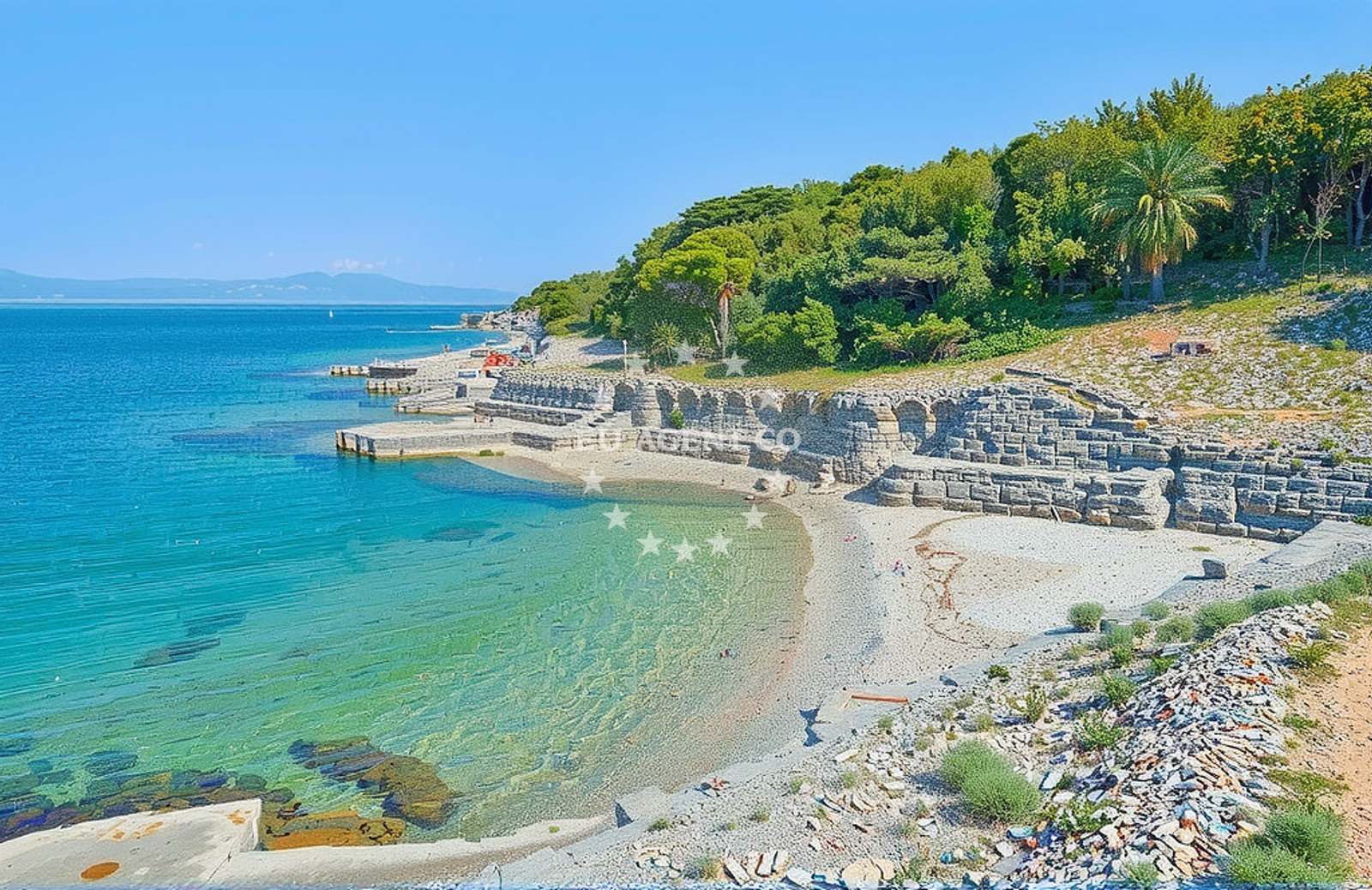
Tunižeja Beach is a small, pebbled shoreline that extends along the rocky coastline of Kavran. The beach is flanked by low-lying cliffs and dense vegetation, creating a sheltered environment typical of the Hvar coast. The water here is clear and cool, with visibility often extending several meters beneath the surface. The beach’s orientation and natural topography suggest it may offer calmer conditions than more exposed stretches of the island’s shoreline.
Swimming and shore
The shallow, gently sloping seabed near Tunižeja makes it a suitable spot for swimming, though the pebbled nature of the beach may require visitors to navigate around rocks. The shore is lined with natural vegetation, and the absence of artificial structures means the beach retains its natural character. The nearby cliffs provide a backdrop for sunbathing or quiet contemplation, with views toward the open sea and the island of Hvar’s western coast.
Facilities and activities
No formal amenities are listed for Tunižeja Beach itself, but the surrounding area of Kavran and Hvar offers a range of experiences. Nearby, visitors may find traditional tavernas serving local cuisine, small family-run vineyards producing Plavac Mali wine, and hiking trails through the island’s interior. The beach’s proximity to the village of Kavran means access to basic services such as shops and accommodations is available within a short distance.
Access and location
Reaching Tunižeja Beach requires a combination of road and coastal travel. The village of Kavran is accessible by car via the Hvar Island road network, which connects to the main town of Hvar and the port of Stari Grad. For those arriving by boat, the nearby marina in Hvar Town provides a starting point for exploring the island’s southern coastline. The beach’s location on the western side of Hvar makes it a convenient stop for sailors navigating the Adriatic’s southern routes.
What to expect
Visitors to Tunižeja Beach should expect a natural, undeveloped shoreline that emphasizes the raw beauty of the Hvar coast. The beach is best suited for those seeking solitude and a connection to the island’s traditional landscape. While no formal facilities are available on-site, the surrounding area of Kavran and Hvar provides opportunities for dining, cultural exploration, and outdoor activities. The beach’s orientation and proximity to the village suggest it may be a popular spot for local residents and visitors familiar with the region.
Practical tips
Given the beach’s natural setting, visitors are advised to bring water and snacks, as no on-site services are available. Sunscreen and a hat are recommended for extended sun exposure. The beach’s pebbled nature means beachgoers should wear appropriate footwear. Those planning to visit by car should be aware that parking in Kavran may be limited, with options typically available in the village or along nearby roads.
Exploring the coast by yacht
The waters around Hvar, including the area near Tunižeja Beach, are a popular sailing destination due to their sheltered bays, clear visibility, and proximity to other Adriatic islands. Yacht charter guests exploring the region may find opportunities to anchor in nearby coves or visit marinas in Hvar Town, Stari Grad, or the island of Brac. The beach’s location on the western coast of Hvar makes it a convenient stop for those traveling between the islands of Hvar, Brac, and the mainland of Croatia.
Historical and Cultural Context of Kavran
The village of Kavran, like much of Hvar, has a long history tied to the Venetian Republic and the island’s medieval past. Traditional stone houses and narrow streets reflect centuries of agricultural and maritime life. The region’s vineyards, which produce the island’s renowned Plavac Mali wine, are a testament to Hvar’s enduring connection to viticulture. Visitors interested in local culture may explore nearby landmarks such as the Hvar Fortress or the Church of St. Nicholas in the town of Hvar.