Torine Beach, Vidalići (Pag), Croatia
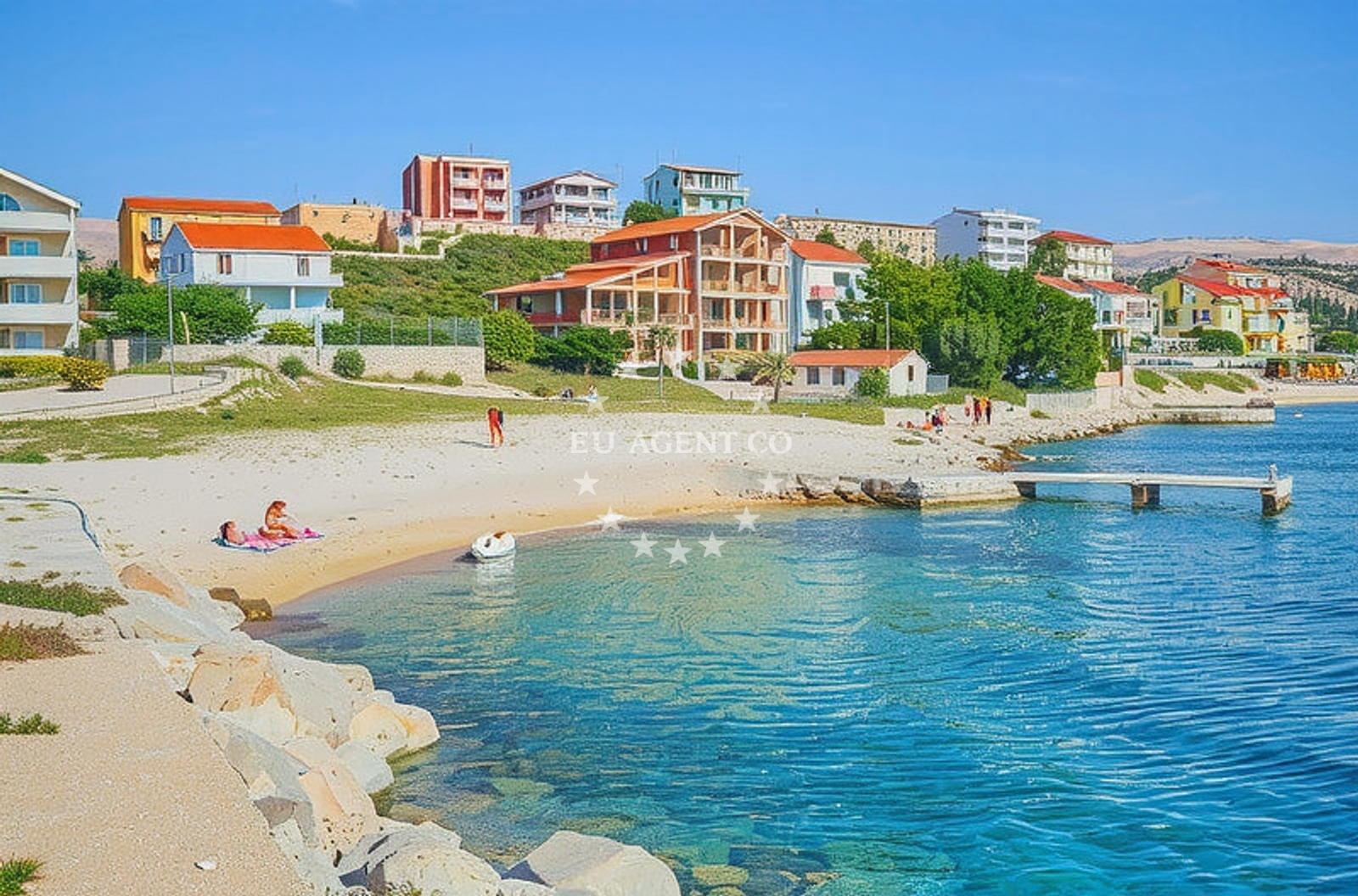
Torine Beach lies along the eastern coast of Pag, an island renowned for its white stone architecture and historic salt production. This 200-meter stretch of gravel and concrete/stone slabs offers a stark contrast to the island’s more famous sandy beaches, providing a unique setting for those seeking a quieter coastal experience. Located in the village of Vidalići, the beach is part of Pag’s rugged northern coastline, where the Adriatic Sea meets the island’s limestone terrain.
About this beach
Torine, Vidalići (Pag)
Beach: Torine
Location: Vidalići (Pag)
Characteristics and facilities
Gravel, concrete / stone slabs
200 m
Beach character
The beach’s surface consists of gravel and concrete/stone slabs, making it an unconventional but functional spot for walking or brief sun exposure. The lack of sand means it’s less suited for traditional sunbathing, but the natural stone formations create a distinctive visual identity. Pag’s geological history—shaped by millennia of erosion and salt extraction—can be seen in the beach’s composition, with limestone fragments and angular stones dominating the shoreline.
Swimming and shore
Swimming is not the primary activity here due to the beach’s rocky and gravelly nature. The shallow, clear waters of the Adriatic are accessible along the shoreline, but the uneven terrain may make wading challenging. The beach’s proximity to Pag’s salt pans and the open sea offers opportunities to observe marine life, though there are no official facilities for water sports or snorkeling equipment rentals.
Facilities and activities
No amenities such as showers, toilets, or umbrellas are listed for Torine Beach. The area is best suited for leisurely walks along the shore, photography, or exploring the surrounding landscape. Visitors may combine a visit with a tour of Pag’s salt production sites or a drive along the island’s scenic coastal roads, which connect to towns like Novalja and the northern village of Šušnjari.
Access and location
Torine Beach is located in Vidalići, a small settlement on Pag’s northern coast. Access is via local roads connecting to the island’s main routes. Pag itself is reachable by ferry from Zadar or by car via the bridge linking the island to the mainland. The beach’s remote location makes it a less crowded alternative to Pag’s more developed coastal areas, though its accessibility may be limited during peak tourist seasons.
What to expect
Expect a tranquil, low-key beach experience with minimal infrastructure. The gravel and stone surface is ideal for walking but not for prolonged sunbathing. The beach’s setting offers panoramic views of the Adriatic, with the island’s characteristic limestone cliffs rising in the distance. Pag’s cultural heritage, including its salt-making traditions and historic sites like the Church of St. Nicholas, adds context to the visit. No lifeguards or formal services are available, so visitors should exercise caution near the water’s edge.
Practical tips
Wear sturdy footwear for the gravel surface and bring a towel rather than a beach mat. Visit early in the day to avoid the fewest crowds. Combine the beach with a visit to Pag’s salt pans or the nearby village of Novalja for a fuller understanding of the island’s character.
Exploring the coast by yacht
For yacht charter guests, Pag’s coastline offers a mix of sheltered bays and open sea routes. The island is a popular stop for sailors exploring the northern Dalmatian coast, with marinas in Novalja and Šušnjari providing docking options. Torine Beach’s location near the mainland bridge makes it a potential anchorage point for those navigating between Pag and the mainland. The surrounding waters are known for their clarity and gentle currents, ideal for sailing excursions to nearby islands like Molunat or the mainland coast of Zadar.
Historical Context of Pag’s Coastline
Pag’s coastline has been shaped by centuries of human activity, from ancient Roman saltworks to modern-day tourism. The island’s salt pans, still in operation today, reflect a tradition dating back to the 13th century. The rugged terrain and sparse vegetation along the northern coast, where Torine Beach is located, are remnants of this history, with the land’s alkaline soil and limestone formations contributing to the area’s unique landscape.