Šumpjivina istok, Nečujam (Šolta) Beach, Croatia
8 photos
About this beach
Šumpjivina istok, Nečujam (Šolta)
Beach: Šumpjivina istok
Location: Nečujam (Šolta)
Characteristics and facilities
Gravel, rocks
Natural shade
Beach character
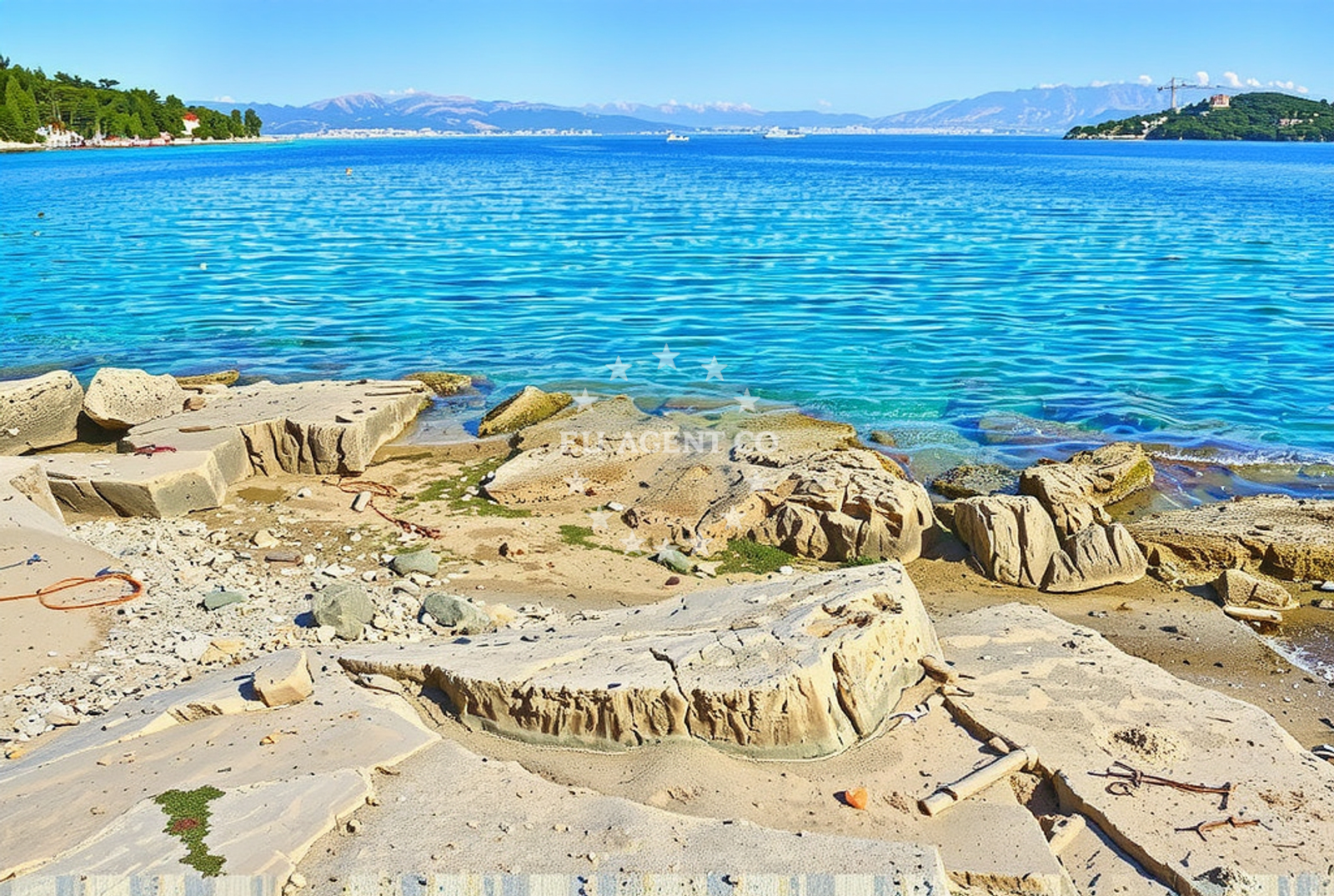
The beach consists primarily of gravel and rocky terrain, with natural shade provided by surrounding vegetation. This composition creates a stark contrast to the smooth, sandy shores typical of many Adriatic beaches. The lack of artificial structures or facilities emphasizes its raw, untouched quality. Visitors should expect uneven surfaces and limited space for sunbathing, though the natural setting offers a unique opportunity to observe coastal geology and enjoy the interplay of land and sea.Swimming and shore
Swimming conditions at Šumpjivina istok are influenced by the rocky shoreline and gravel, which can make entry into the water challenging. The beach is more suited for those seeking a rugged coastal experience rather than a traditional swimming spot. The Adriatic Sea here is known for its clear waters and moderate currents, but the rocky terrain may limit safe access for children or those unfamiliar with the area. The shore’s natural features also provide opportunities for exploring tidal pools and observing marine life in crevices.Facilities and activities
There are no formal facilities at Šumpjivina istok, including parking, restrooms, or changing rooms. The beach’s character is defined by its natural state, with no concessions or services catering to tourists. However, the surrounding area of Nečujam on Šolta offers access to local amenities in nearby villages, such as restaurants and small shops. Activities are limited to walking along the shore, exploring the island’s trails, or using the beach as a starting point for kayaking or snorkeling in calmer waters further from the rocky sections.Access and location
Reaching Šumpjivina istok requires a boat or a ferry to Šolta, as there are no direct road connections to the island. The nearest mainland point is the village of Supetar on Brac, from which Šolta is visible across the channel. Visitors arriving by yacht can anchor near the island’s western coast and navigate to the beach via a short landing. The beach’s remote location makes it less accessible than other Adriatic shores, appealing to those seeking privacy and a connection to the island’s traditional, low-key lifestyle.What to expect
Visitors should prepare for a beach experience that prioritizes natural landscapes over comfort. The gravel and rocks dominate the shoreline, with no designated areas for sunbathing or relaxation. The beach’s appeal lies in its isolation and the opportunity to observe the Adriatic’s rugged coastline. The absence of facilities means visitors must bring their own supplies, though the nearby village of Nečujam offers basic services for those staying on the island. The beach is best suited for short visits or as part of a broader exploration of Šolta’s terrain.Practical tips
Wear sturdy footwear to navigate the gravel and rocky terrain safely. Bring water and snacks, as there are no facilities on the beach itself. Check local weather conditions before visiting, as the lack of sheltered areas can make the shore uncomfortable in strong winds. Consider combining a visit with a tour of Šolta’s vineyards or a boat trip to nearby islands like Hvar or Brac for a more comprehensive experience.Exploring the coast by yacht
Šumpjivina istok’s location on Šolta places it within a sailing region renowned for its scenic routes and historic ports. The island is a common stop for yachts exploring the Central Dalmatian Islands, with nearby marinas in Supetar (Brac) and Bol (Hvar) providing docking options. Sailors may use the beach as a reference point for navigating the channel between Šolta and Brac, though the rocky shore is not ideal for anchoring. For those chartering a boat, the area offers opportunities to explore hidden coves, enjoy clear waters, and connect with the Adriatic’s maritime heritage.Cultural and Historical Context of Šolta
Šolta has long been a quiet island, with its economy historically tied to fishing and agriculture. The village of Nečujam, near the beach, retains a traditional character with stone houses and small family-run businesses. The island’s history includes periods of Venetian rule and Ottoman influence, leaving traces in its architecture and local customs. Visitors interested in cultural immersion may explore Šolta’s vineyards, which produce local wines, or visit the island’s small museums and chapels.Frequently asked questions
Is Šumpjivina istok suitable for families with young children?
The beach’s rocky and gravel terrain makes it less ideal for young children, who may find the uneven surfaces challenging. Families should consider alternative beaches with smoother access for a more comfortable experience.Can I anchor near Šumpjivina istok with a yacht?
The beach itself is not suitable for anchoring due to its rocky shore. Nearby marinas in Supetar (Brac) or Bol (Hvar) are better options for yacht docking, with clearer waters and facilities for visitors.Nearby beaches
Potkamenica istok, Nečujam (Šolta) Beach
Potkamenica istok
0.2 km
Sumpjivina beach
, Nečujam
0.3 km
Potkamenica sredina, Nečujam (Šolta) Beach
Potkamenica sredina
0.3 km
Podkamenica beach
, Nečujam
0.5 km
Maslinica, Nečujam (Šolta) Beach
Maslinica
0.8 km
Necujam beach
Eugena Buktenice 9, Nečujam
0.8 km
Bok od Supetra, Nečujam (Šolta) Beach
Bok od Supetra
1.0 km
Supetar, Nečujam (Šolta) Beach
Supetar
1.0 km