Ston Beaches and Coves: A Coastal Exploration in Croatia
4 photos
About this beach
Ston: beaches and coves
Beach character
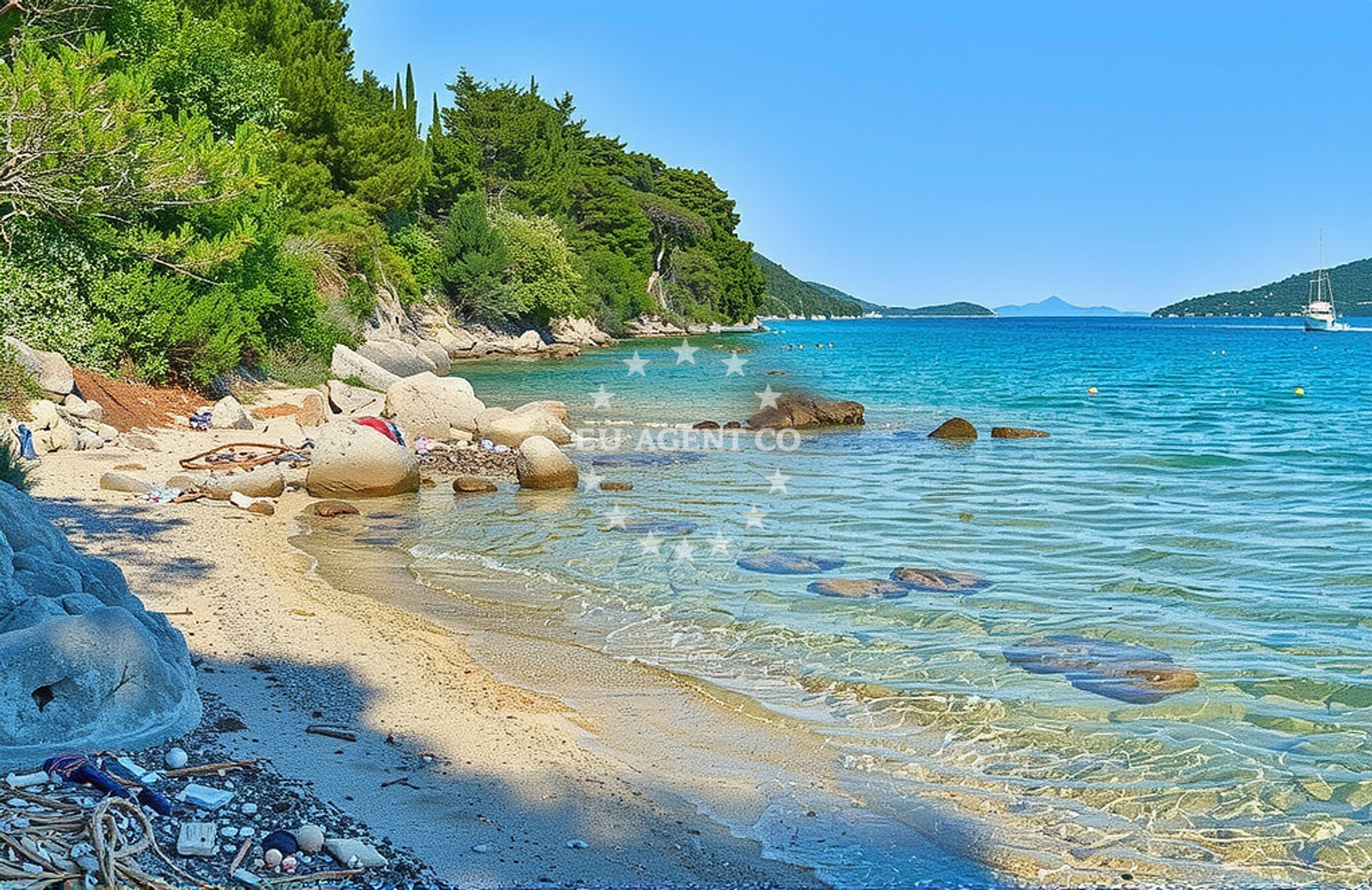
The beaches near Ston are typically composed of pebbles and small rocks, reflecting the geological character of the Dalmatian coast. These coves are often sheltered by cliffs or outcroppings, creating natural harbors that have historically been used by fishermen and sailors. The area's proximity to the Ston City Walls—a UNESCO-recognized fortification—adds a layer of historical intrigue to the coastal experience. While the beach may not offer sandy expanses, its rugged terrain is ideal for those seeking a more secluded and authentic Adriatic shoreline.Swimming and shore
Swimming conditions vary depending on the specific cove, with some areas offering calmer waters suited for snorkeling or brief dips. The rocky terrain means that swimming is best approached with caution, particularly in areas with steep drop-offs. The shorelines are often interspersed with patches of vegetation, providing natural shade during the warmer months. Visitors should be mindful of the terrain when accessing the water, as the pebbled surface can be uneven.Facilities and activities
Facilities at the beach are minimal, reflecting the area's focus on natural landscapes over developed amenities. There are no official showers, restrooms, or lifeguard services reported. However, the nearby town of Ston offers basic services, including restaurants and accommodations. Activities centered around the beach include hiking along the Ston City Walls, exploring the Pelješac Peninsula's vineyards, and participating in local cultural events. The area is also a starting point for boat tours to nearby islands such as Mljet and Šipan.Access and location
Ston is accessible via road from Dubrovnik, approximately 30 kilometers to the northwest. The town sits at the northern end of the Pelješac Peninsula, with the beach area benefiting from its strategic location between the Adriatic Sea and the Neretva River. The nearest major marina is in Dubrovnik, though smaller anchorages exist along the peninsula's coast. The beach's proximity to historical sites and vineyards makes it a convenient base for exploring the region's cultural and natural attractions.What to expect
Visitors to Ston's beaches should expect a landscape defined by its natural ruggedness, with pebbled shores and dramatic coastal cliffs. The area's historical significance, particularly the nearby Ston City Walls, offers opportunities for cultural exploration. While the beach itself lacks modern amenities, the surrounding region provides access to restaurants, accommodations, and guided tours. The best times to visit are during the shoulder seasons (April-May or September-October) when the weather is pleasant and crowds are minimal.Practical tips
Wear sturdy footwear for exploring the rocky shoreline and the Ston City Walls. Bring water and snacks, as facilities near the beach are limited. Consider visiting during early morning or late afternoon for fewer crowds. Check local guides for boat tour options to nearby islands and vineyards.Exploring the coast by yacht
For sailors and yacht charter guests, the Ston area serves as a gateway to the Pelješac Peninsula, a popular sailing destination in the Adriatic. The region's sheltered bays and clear waters make it ideal for anchoring, particularly near the peninsula's western coast. Yacht charter companies operating in the Dubrovnik area often include Ston as a stop for exploring the region's historical sites and vineyards. The nearest major marina is in Dubrovnik, with smaller anchorages available along the peninsula for those seeking a more secluded experience.Historical Context of Ston
Ston is renowned for its ancient fortifications, including the Ston City Walls, which date back to the 13th century. These walls, one of the longest and best-preserved medieval fortifications in Europe, offer insight into the region's strategic importance during the Middle Ages. The town's history is intertwined with the Republic of Ragusa (modern-day Dubrovnik), and its location has made it a focal point for trade and defense throughout the centuries.Vineyards and Local Cuisine
The Pelješac Peninsula is famous for its wine production, particularly the red wine Plavac Mali. Visitors can tour local vineyards and sample regional specialties, including seafood dishes and traditional Dalmatian cuisine. The area's combination of coastal views and agricultural landscapes makes it a unique destination for food and wine enthusiasts.Frequently asked questions
Are there accommodations near Ston's beaches?
Yes, the town of Ston offers a range of accommodations, from boutique hotels to family-run guesthouses. Many properties provide easy access to the beach and historical sites.Is swimming safe in the coves near Ston?
Swimming is generally safe in calmer areas, but visitors should exercise caution due to the rocky terrain and potential for sudden depth changes. Always check local conditions before entering the water.Nearby beaches
Mali Ston: beaches and coves (3)
Mali Ston
1.1 km
Donja Vala jug, Mali Ston Beach
Donja Vala jug
1.1 km
Donja Vala sredina, Mali Ston Beach
Donja Vala sredina
1.2 km
Donja Vala sjever, Mali Ston Beach
Donja Vala sjever
1.2 km
Svi Sveti zapad, Zaton Doli
Svi Sveti zapad
2.1 km
Hodilje istok, Hodilje Beach
Hodilje istok
2.1 km
Hodilje: beaches and coves (5)
Hodilje
2.1 km
Svi Sveti istok, Zaton Doli
Svi Sveti istok
2.2 km