Stojan jug, Lopar (Rab) Beach, Croatia
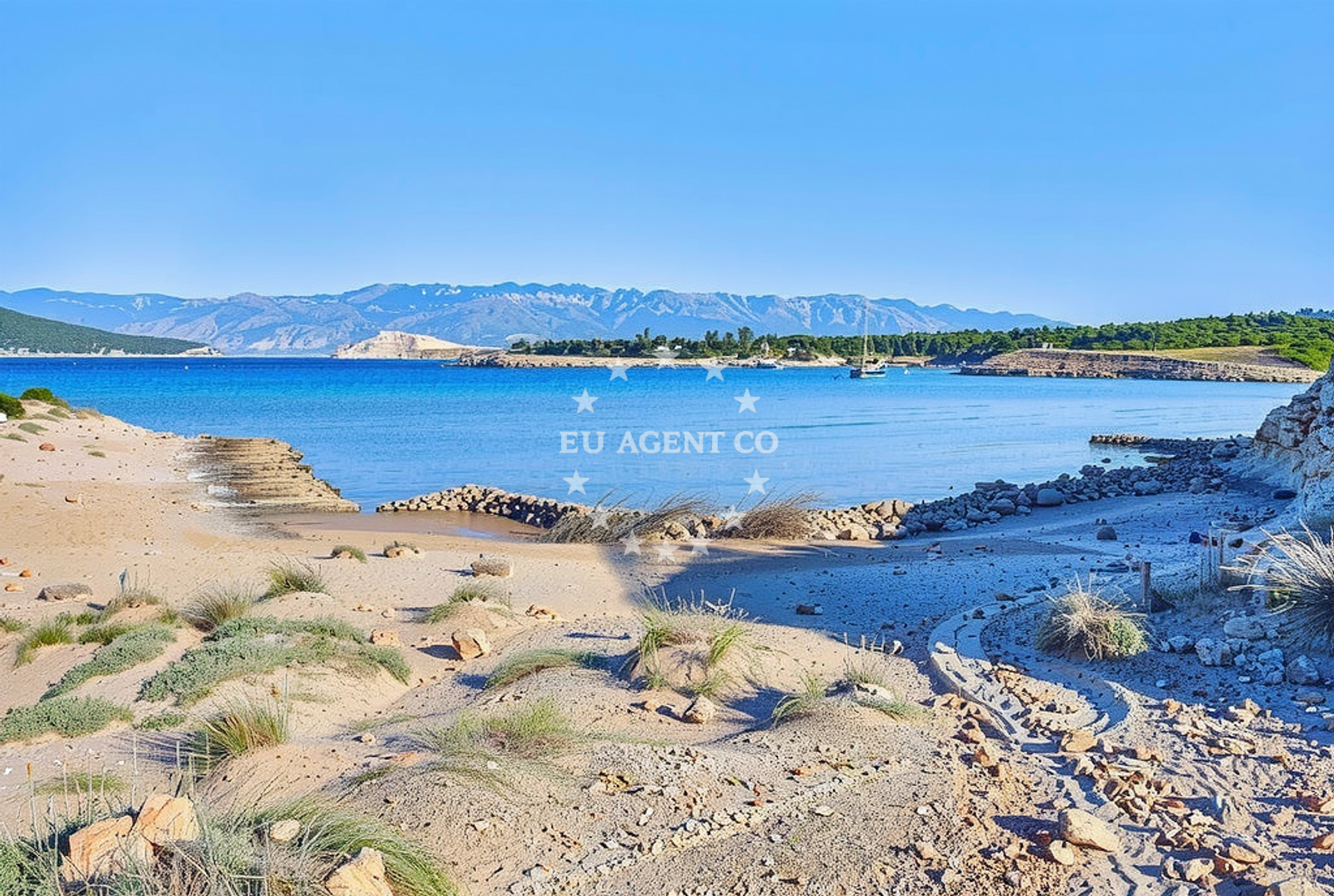
Stojan jug, Lopar (Rab) Beach lies along the eastern coast of the island of Rab, a historic Croatian island in the Adriatic Sea. This shoreline combines sandy stretches with rocky outcrops, creating a varied landscape that reflects the natural contours of the region. While no formal facilities are listed for the beach itself, its location within Rab’s coastal network offers opportunities to explore the island’s cultural and maritime heritage.
About this beach
Stojan jug, Lopar (Rab)
Beach: Stojan jug
Location: Lopar (Rab)
Characteristics and facilities
Sand, rocks
Beach character
The beach’s character is defined by its contrast between soft sand and rugged rock formations. These features create a dynamic shoreline that may appeal to visitors seeking both relaxation and natural exploration. The absence of structured amenities means the beach retains a raw, unspoiled quality, typical of many lesser-developed coastal areas in Croatia’s northern Dalmatia region.
Swimming and shore
Swimming conditions at Stojan jug are influenced by the interplay between sandy and rocky sections. The sandy areas likely offer calmer waters, while the rocky zones may create more turbulent currents. As with many Adriatic beaches, swimming safety would depend on tide patterns and weather conditions, though specific data on water quality or depth is not available in the catalog.
Facilities and activities
No formal facilities or structured activities are documented for Stojan jug, Lopar (Rab) Beach itself. However, the broader area of Rab offers cultural and recreational opportunities. The island is known for its vineyards, historic sites, and traditional fishing villages, which may be accessible via local roads or walking paths. Visitors should note that any activities at the beach would be self-directed, given the lack of listed amenities.
Access and location
Stojan jug is located in Lopar, a village on the island of Rab, which lies northeast of the town of Rab and southwest of the island of Pag. The beach’s position within this coastal area places it near established sailing routes in the Adriatic. While no specific access details are provided in the catalog, the beach’s proximity to Rab’s main settlements suggests it may be reachable via local roads or footpaths from nearby villages.
What to expect
Visitors to Stojan jug, Lopar (Rab) Beach should expect a natural shoreline with a mix of sand and rock. The beach’s undeveloped character means there are no formal amenities such as showers, toilets, or parking facilities. The area’s appeal lies in its unspoiled landscape and connection to Rab’s broader coastal environment. Those seeking structured services may need to look to nearby settlements for accommodations or facilities.
Practical tips
Given the beach’s natural composition, visitors may want to consider footwear suitable for uneven terrain. The lack of formal facilities means planning for basic needs should be done in advance. Exploring the surrounding area of Lopar and Rab may provide additional context about the region’s history and maritime traditions.
Exploring the coast by yacht
For yacht charter guests, Stojan jug’s location within the Adriatic’s Rab coast offers a strategic vantage point for exploring the region. The island of Rab is a well-known sailing destination, with its sheltered bays and proximity to other islands like Pag and the mainland town of Zadar. Charter yachts may use nearby marinas in Rab town or the island’s western shores as bases for trips to this area. The beach itself is not marked as an anchorage, but its proximity to established sailing routes makes it a potential stop for those exploring the northern Adriatic.
Historical and Cultural Context of Rab
The island of Rab, where Stojan jug is located, has a rich history dating back to ancient times. It was a significant settlement for the Illyrians and later became part of the Roman Empire. The island’s medieval town of Rab, a UNESCO World Heritage Site, features well-preserved architecture and a historic harbor. This cultural backdrop adds depth to any visit to the beach, connecting the natural landscape to the region’s human history.