Stara Vas (Pag): Beaches and Coves, Croatia
Stara Vas, a small coastal village on the island of Pag in Croatia, is renowned for its rugged coastline, salt pans, and unspoiled beaches. Nestled along the northern shore of Pag, the area offers a unique blend of natural landscapes and historical significance, with coves that provide serene spots for relaxation. The beaches here are characterized by their pebbled shores and clear waters, framed by the island’s distinctive white stone architecture and the vast salt flats that define Pag’s geography. While the village itself is modest in size, its proximity to the Adriatic Sea makes it a gateway to some of Croatia’s most dramatic coastal scenery.
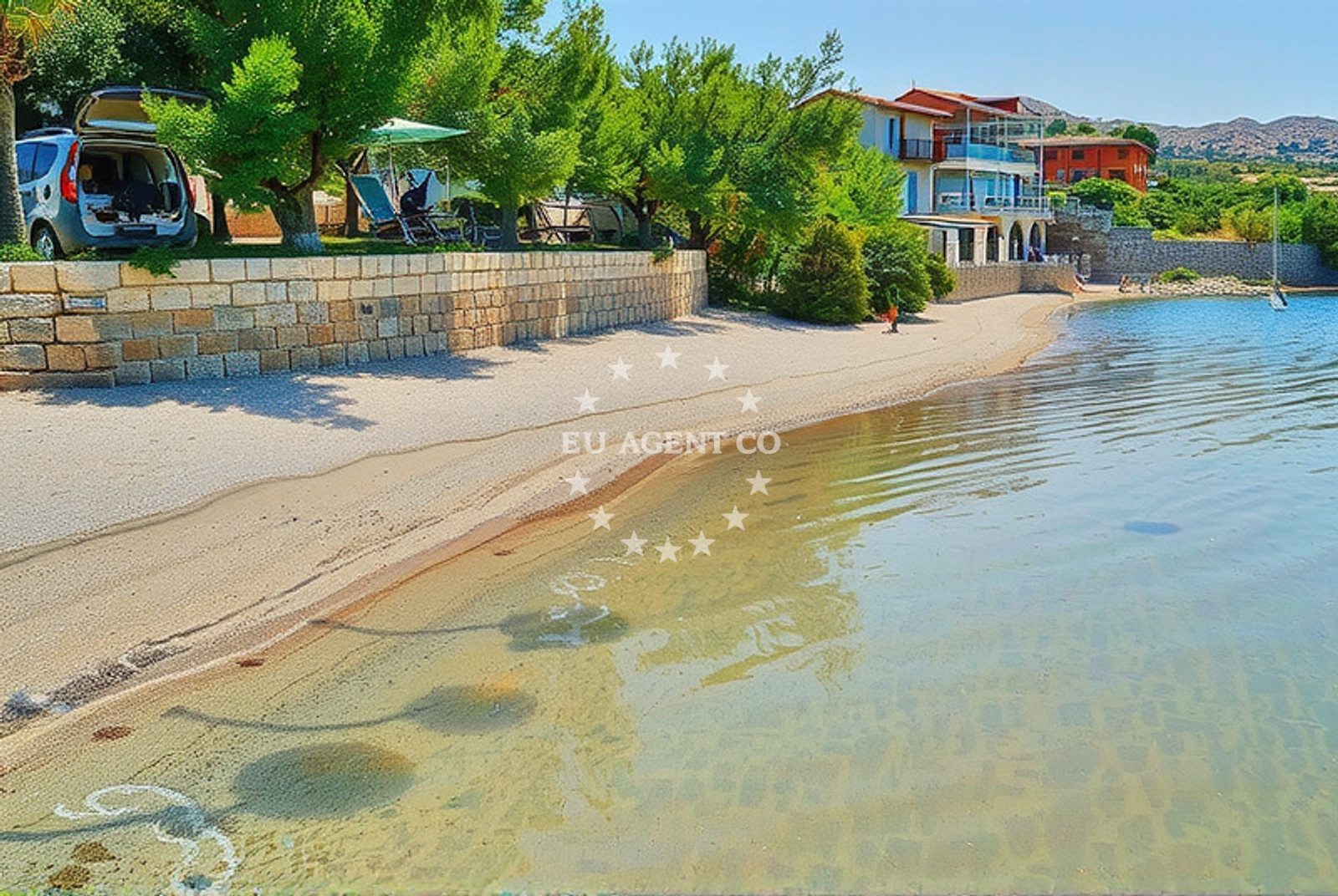
About this beach
Stara Vas (Pag): beaches and coves
Beach character
The beaches and coves of Stara Vas are shaped by the island’s geological features, with rocky outcrops and shallow bays creating a varied shoreline. The waters surrounding the area are typically calm, making them suitable for swimming, though the pebbled nature of the beaches may require visitors to bring appropriate footwear. The absence of large-scale tourism infrastructure means the area retains a quiet, authentic character, with the salt pans of Pag providing a striking backdrop. The coves are often sheltered from direct winds, offering a peaceful environment for sunbathing or reading. The island’s unique microclimate, influenced by the salt pans and the Adriatic Sea, contributes to the region’s distinct ecological and visual identity.
Swimming and shore
Swimming conditions in the coves of Stara Vas are generally favorable, with water temperatures that remain pleasant throughout the summer months. The pebbled beaches may require visitors to walk short distances to reach the water, but the shallows near the shore create a gentle entry point. The clarity of the Adriatic Sea is evident here, with visibility often extending to the seabed in shallower areas. The shorelines are interspersed with natural rock formations, some of which are eroded by the sea over centuries, creating unique patterns. While there are no designated swimming zones or lifeguard services, the absence of crowds and the relatively sheltered nature of the coves make them appealing for those seeking solitude.
Facilities and activities
There are no formal amenities such as showers, restrooms, or umbrellas directly on the beaches of Stara Vas. However, the nearby village of Stara Vas offers basic services, including small cafes and shops, where visitors can purchase essentials before heading to the coast. Activities in the area are centered around the natural environment, with opportunities for snorkeling in the clearer shallows, exploring the salt pans on foot, and hiking along the island’s trails. The surrounding coastline also provides vantage points for observing traditional salt production, a practice that has sustained the island for centuries. For those interested in cultural experiences, the village of Stara Vas itself contains historical buildings and a museum that highlight the region’s heritage.
Access and location
Stara Vas is accessible by road from the mainland via the bridge connecting Pag to the mainland of Croatia, with the nearest major town being Zadar, approximately 40 kilometers to the north. The village is located near the northern tip of Pag, making it a convenient starting point for exploring the island’s western and northern coasts. By sea, the area is within reach of yacht charter routes that traverse the Adriatic, with the nearby port of Novalja offering a base for sailing excursions. The beaches of Stara Vas are best reached by car or on foot from the village, with trails leading from the salt pans to the shoreline. The lack of direct road access to the coves means that visitors should plan for a short walk from the village or nearby parking areas.
What to expect
Visitors to Stara Vas (Pag) can expect a tranquil coastal experience, with the beaches and coves offering a stark contrast to the more developed resorts of the Adriatic. The natural beauty of the area is underscored by the salt pans, which create a surreal landscape of white salt crusts and shallow lagoons. The beaches are best suited for those seeking solitude, with limited infrastructure and no crowds during the off-season. The village of Stara Vas provides a glimpse into traditional island life, with its stone buildings and small-scale agriculture. While the area lacks modern amenities, this absence is part of its charm, allowing visitors to immerse themselves in the unspoiled character of the Adriatic coastline.
Practical tips
Visitors should bring water and sunscreen, as shade and drinking water sources are limited near the beaches. Footwear is recommended for walking on the pebbled shorelines. The salt pans are accessible during daylight hours, but visitors should be mindful of local regulations regarding entry. For those arriving by car, parking in the village of Stara Vas is the most practical option, with walking or cycling to the coves being the preferred method of access.
Exploring the coast by yacht
The coastal waters around Stara Vas are part of a broader sailing region that includes the islands of Pag, Novalja, and the mainland coast near Zadar. Yacht charter guests exploring this area may find the coves of Stara Vas to be a peaceful interlude between more active sailing routes. The nearby port of Novalja offers a base for charter yachts, with the island’s western coast providing sheltered anchorages and scenic routes. The Adriatic’s consistent winds and clear waters make this region ideal for sailing, with the beaches of Stara Vas serving as a natural stopping point for those seeking to enjoy the island’s unique landscapes.
Historical and Cultural Context
The village of Stara Vas has long been associated with salt production, a tradition that dates back to Roman times. The salt pans of Pag are among the oldest in Europe, with the process of evaporating seawater to produce salt still practiced today. This historical legacy is evident in the architecture of the village, where stone buildings and traditional farming methods reflect the island’s self-sufficiency. For visitors interested in cultural experiences, the nearby museum in Stara Vas provides insight into the island’s role in Croatia’s economic and ecological history.