Stara Novalja (Pag): Beaches and Coves, Croatia
4 photos
About this beach
Stara Novalja (Pag): beaches and coves
Beach character
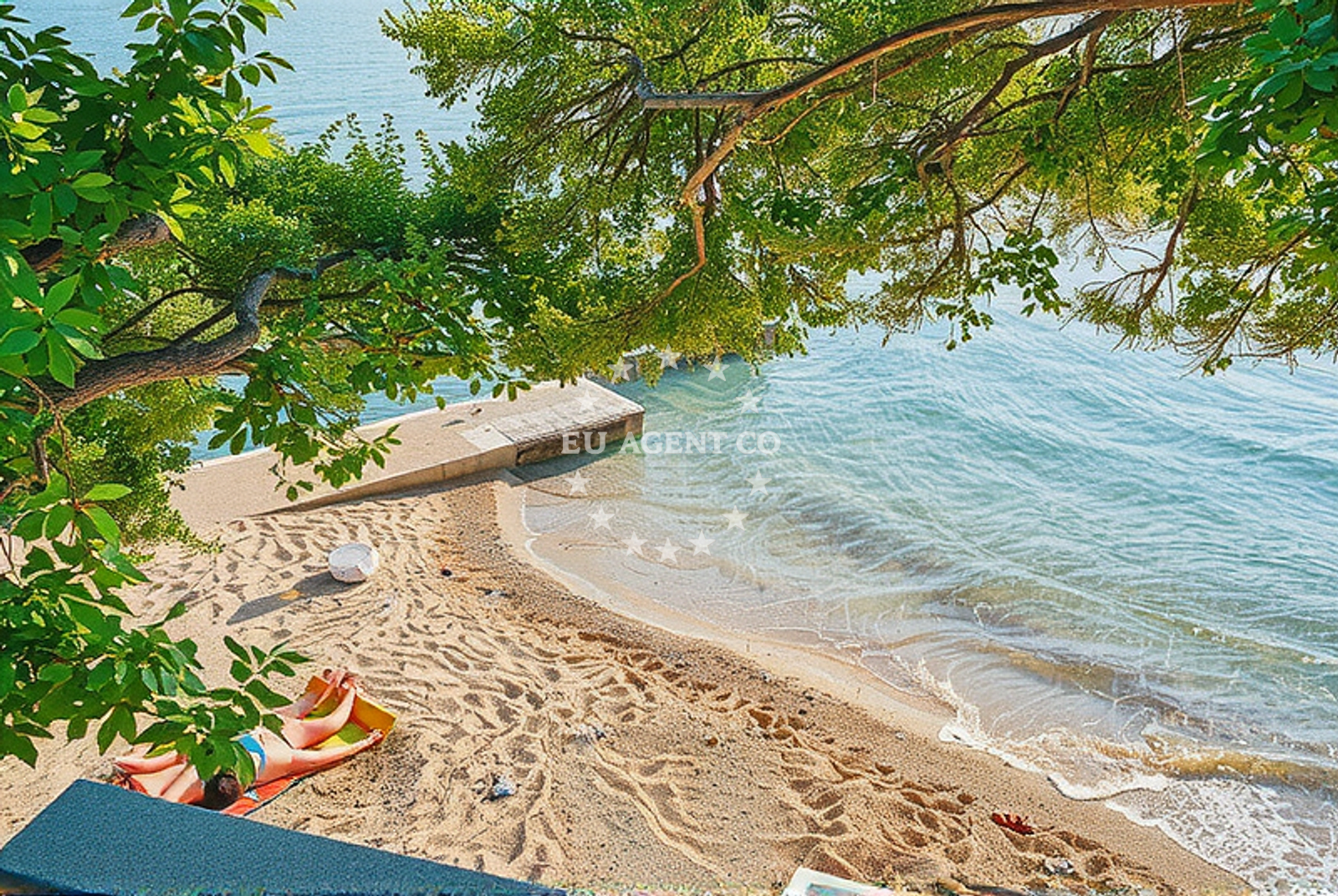
The beaches and coves near Stara Novalja are defined by the island's limestone geology, creating a landscape of rocky outcrops, shallow inlets, and clear waters. The Adriatic's influence results in calm, turquoise waters during summer months, though swells can increase in open areas. The absence of sandy beaches is characteristic of Pag's northern coast, where erosion has sculpted the shoreline into a series of natural harbors and narrow channels.Swimming and shore
Swimming conditions are generally favorable in the sheltered coves, with water temperatures reaching mid-20s°C in July and August. The shorelines are predominantly pebbled, requiring sturdy footwear for access. Marine life is abundant in the shallows, with occasional sightings of dolphins and sea turtles in nearby waters. The lack of artificial structures means swimmers should be mindful of underwater rocks in less-protected areas.Facilities and activities
The beach area itself lacks formal amenities, but Stara Novalja's town center offers basic services including cafes, seafood restaurants, and small souvenir shops. Activities are limited to coastal exploration, snorkeling in shallower coves, and hiking along the island's salt pans. Kayaking is possible from nearby marinas, though no dedicated launch points exist on the beach itself.Access and location
The beaches are accessible via a network of local roads connecting Stara Novalja to Pag's interior. The nearest major road link is the A1 motorway, which runs parallel to the coast. By sea, the area falls within the broader Adriatic sailing routes connecting Zadar, Hvar, and Brač. The lack of direct ferry services means most visitors arrive via car or yacht charter from nearby ports.What to expect
Visitors should expect a rugged, natural coastline with limited infrastructure. The beaches are best suited for those seeking solitude and unspoiled landscapes rather than commercialized amenities. The area's historical significance as a salt production center adds cultural context to the visit, with remnants of ancient saltworks visible along the shore. Weather conditions can be unpredictable, with sudden afternoon showers common in summer.Practical tips
Bring water for hydration, as shade is limited in exposed areas. Sturdy footwear is essential for navigating pebbled shores. Local guides can provide insights into the area's salt production history and optimal snorkeling spots. Evening tides may affect access to certain coves, so plan visits accordingly.Exploring the coast by yacht
The waters around Stara Novalja are part of the broader Adriatic sailing corridor, offering opportunities for short-haul charters to nearby islands. Yachts can anchor in sheltered bays without requiring formal marina berths, though no specific anchorage points are marked in the area. The region's proximity to Zadar (35 nautical miles) and Hvar (45 nautical miles) makes it a convenient base for exploring the eastern Adriatic. Charterers should note the absence of fuel stations on the island itself, requiring refueling in nearby ports.Historical Context of Stara Novalja
Stara Novalja's history dates back to the 13th century, when it served as a key hub for salt production. The island's salt pans, still visible today, were once among the most productive in the Adriatic. This legacy is reflected in the town's architecture, with traditional stone buildings and the iconic 17th-century Church of St. Nicholas standing as landmarks.Ecological Significance
The coves near Stara Novalja are part of a protected marine area, home to Posidonia seagrass meadows that support diverse marine ecosystems. Conservation efforts are ongoing to preserve these habitats, with restrictions on anchoring in sensitive zones.Frequently asked questions
Are there any restrictions on anchoring near the beaches?
While no formal anchoring restrictions exist in the open bays, local conservation guidelines advise avoiding sensitive seagrass areas. Yacht charterers should consult with local authorities or Euro-Agent for specific guidance.What is the best time to visit for swimming?
July and August offer the warmest waters, though visitors should be prepared for variable conditions. Early morning visits are recommended to avoid midday heat and crowds.Nearby beaches
Uljak beach
Uljak 16, Stara Novalja
0.2 km
Vela draga, Stara Novalja (Pag)
Vela draga
1.1 km
Jadra beach
Uljak 16, Stara Novalja
1.3 km
Mul, Stara Novalja (Pag) Beach
Mul
1.4 km
Nudist Beach Jadra
, Novalja
1.5 km
Dog Beach Jadra
Porat 12, Stara Novalja
1.5 km
Livić, Stara Novalja (Pag) Beach
Livić
1.7 km
Korda, Stara Novalja (Pag) Beach
Korda
2.0 km