Srhov dolac istok, Gdinj (Hvar) Beach, Croatia
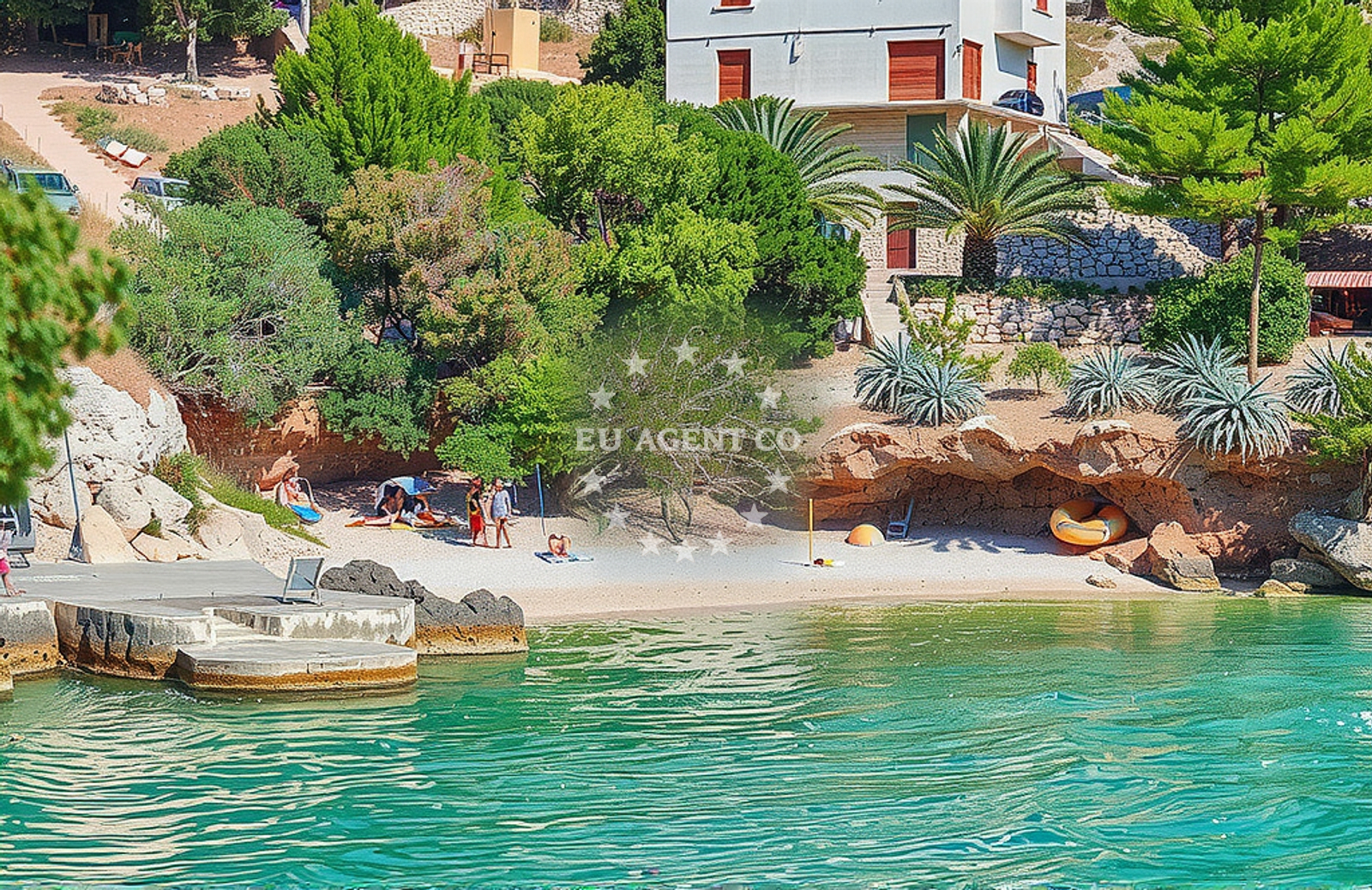
Srhov dolac istok, Gdinj (Hvar) Beach lies on the northern coast of Hvar Island, one of Croatia’s most iconic Adriatic destinations. This shoreline is characterized by gravel and concrete/stone slabs, forming a rugged yet accessible stretch of coast. While not a traditional sandy beach, its surface offers a unique texture for visitors exploring the region’s diverse coastline. The beach is part of the broader Gdinj area, a village known for its proximity to Hvar Town and its role as a gateway to the island’s historic and natural attractions.
About this beach
Srhov dolac istok, Gdinj (Hvar)
Beach: Srhov dolac istok
Location: Gdinj (Hvar)
Characteristics and facilities
Gravel, concrete / stone slabs
Beach character
The beach’s surface consists of gravel and concrete/stone slabs, reflecting the geological composition of the surrounding area. This type of shoreline is common along Hvar’s northern coast, where limestone formations and rocky outcrops dominate. The lack of fine sand means it is not ideal for sunbathing but may appeal to those seeking a more rugged coastal experience. Visitors should expect a firm, uneven surface that may be challenging for barefoot walking. The beach’s orientation on the eastern side of Srhov dolac suggests it may be sheltered from direct offshore winds, though this is not explicitly confirmed in the catalog.
Swimming and shore
Swimming conditions at Srhov dolac istok are not detailed in the catalog, but the rocky shoreline may limit the availability of shallow, calm waters suitable for swimming. The Adriatic Sea in this region is generally clear and warm during the summer months, though the beach’s specific water depth or safety for swimmers is not specified. The gravel and stone slabs may create uneven entry points into the sea, requiring caution for those entering the water. Nearby, the broader coast of Hvar offers calmer bays and coves that are more commonly used for swimming, such as those found in the Stari Grad Plain or along the southern shores of the island.
Facilities and activities
No specific facilities or amenities are listed for Srhov dolac istok, Gdinj (Hvar) Beach. The absence of structured amenities such as parking, restrooms, or showers suggests it is a more natural, undeveloped shoreline. Activities associated with the beach are not detailed in the catalog, but the surrounding area of Gdinj and Hvar offers opportunities for hiking, cycling, and exploring local vineyards. The island’s cultural heritage, including historic sites like Hvar Town’s fortress and the nearby village of Jelsa, provides additional context for visitors interested in combining coastal exploration with cultural tourism.
Access and location
Located in Gdinj, a village on the northern coast of Hvar Island, Srhov dolac istok is accessible by road from Hvar Town, approximately 10 kilometers to the east. The island’s well-maintained roads make it feasible to reach by car, though parking availability near the beach is not confirmed. For visitors arriving by sea, the broader Hvar region is a popular sailing destination, with marinas and anchorages available in nearby towns such as Hvar Town, Stari Grad, and the island of Vis. The beach’s position on the northern coast places it within reach of the Split–Hvar ferry route, a key connection for mainland travelers exploring the Adriatic.
What to expect
Visitors to Srhov dolac istok, Gdinj (Hvar) Beach should expect a rugged shoreline defined by gravel and stone slabs, rather than fine sand. The beach’s surface may be uneven, requiring sturdy footwear for comfortable exploration. While no facilities are explicitly listed, the area’s proximity to Gdinj and Hvar Town offers access to local amenities, restaurants, and cultural sites. The beach is part of a coastline that transitions from rocky shores to more sheltered bays further south on the island. Those seeking swimming may find better conditions in nearby coves, while the beach itself is more suited for walking or viewing the Adriatic’s natural contours.
Practical tips
Given the beach’s gravel and stone slab surface, visitors are advised to wear appropriate footwear to avoid discomfort. The lack of detailed information on parking or access means arriving by car may require careful navigation. For those exploring the area by yacht, the broader Hvar coastline offers numerous anchorages and marinas, making it a viable base for extended stays in the region. Local regulations regarding beach use or environmental protections are not specified in the catalog, so visitors should respect any signs or guidelines in place.
Exploring the coast by yacht
The Hvar region is a well-known sailing destination in the Adriatic, with its clear waters, sheltered bays, and historic ports attracting yachters year-round. Srhov dolac istok’s position on the northern coast places it within reach of the Split–Hvar ferry route, a popular entry point for visitors arriving from the mainland. While the beach itself is not marked as an anchorage or marina, the surrounding coastline offers several options for mooring, including Hvar Town’s harbor and the Stari Grad area. Yacht charter guests exploring the island may find the broader Hvar archipelago, including the nearby islands of Vis and Brac, to be rewarding destinations for extended cruising.
Cultural and Natural Context of Gdinj and Hvar
Gdinj, the village near Srhov dolac istok, is part of Hvar Island’s northern coast, a region characterized by limestone cliffs, vineyards, and historic settlements. The island itself is renowned for its wine production, with the Plavac Mali grape being a local specialty. Visitors can explore nearby vineyards, such as those in the Stari Grad Plain, a UNESCO-protected area. The broader Hvar region also includes the village of Jelsa, famous for its medieval architecture and the annual Hvar Summer Festival. These cultural and natural elements provide context for those visiting the beach as part of a larger exploration of the island.