Split: Beaches and Coves, Croatia
Split’s coastline is a tapestry of contrasts, where ancient history meets the vibrant energy of the Adriatic Sea. Stretching along the Dalmatian coast, the beaches and coves near Split offer a range of experiences—from sheltered bays ideal for snorkeling to open stretches of pebbled shore where the sea meets the city’s historic footprint. While no single beach defines this area, the region’s proximity to Split’s UNESCO-listed old town, the nearby islands of Hvar and Brač, and the broader Adriatic sailing routes make it a compelling destination for both land and sea travelers.
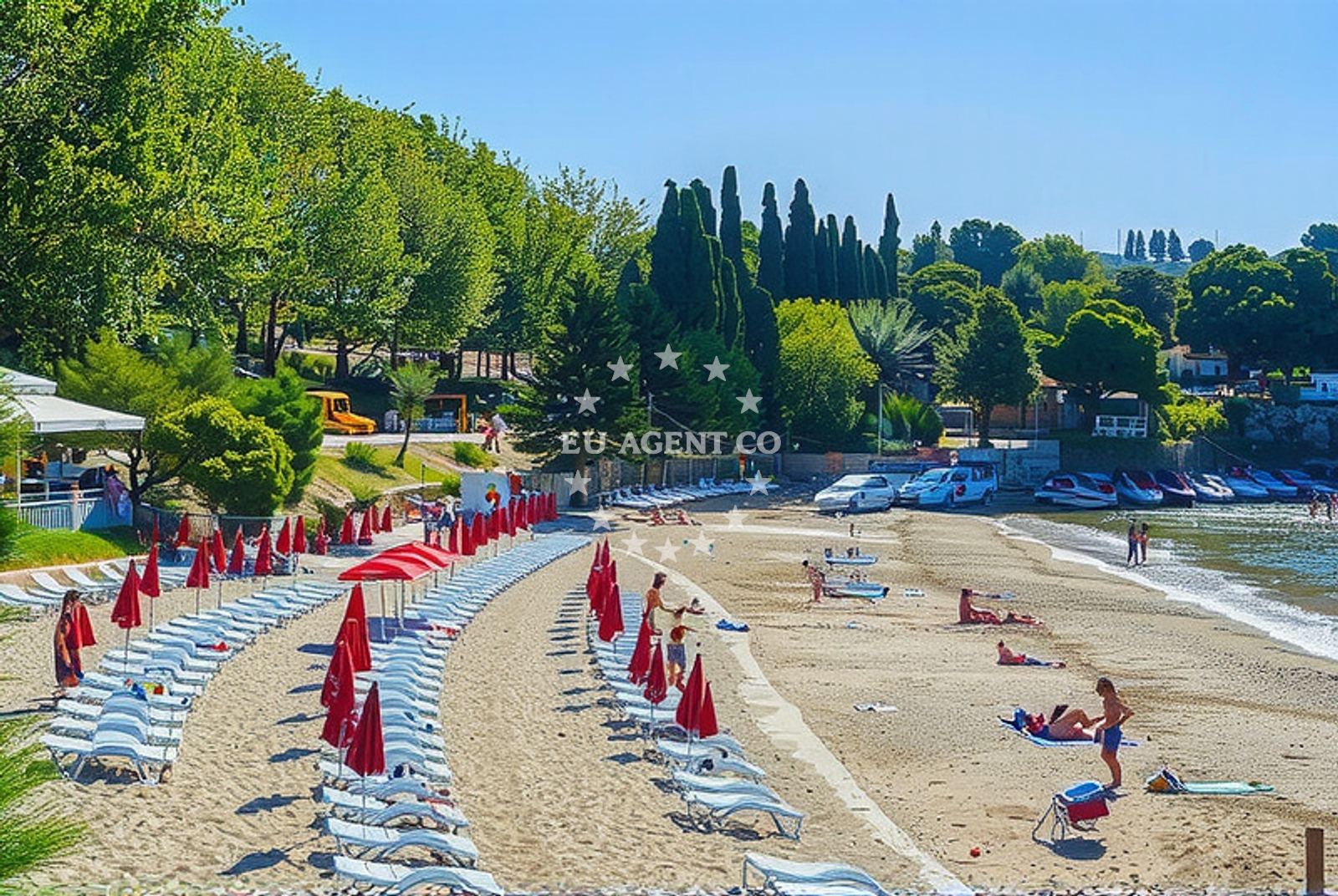
About this beach
Split: beaches and coves
Beach character
The beaches around Split are shaped by the region’s geology and maritime history. Many coves feature fine sand mixed with pebbles, while others are more rugged, with cliffs that plunge into the sea. The water clarity is generally high, reflecting the Adriatic’s reputation for transparency. Some areas are sheltered by headlands, offering calmer waters, while others face the open sea, where swells and currents can be more pronounced. The coastline’s character is influenced by its proximity to the city, with some beaches serving as urban extensions of Split’s social life, while others remain more secluded.
Swimming and shore
Swimming conditions vary across the region. In sheltered coves, the water is typically calm and inviting, making them suitable for families and snorkelers. Deeper waters near the city’s outer edges may be less predictable, with stronger currents that require caution. The shorelines often feature natural rock formations and shallow areas where children can wade safely. Marine life is diverse, with occasional sightings of dolphins and sea turtles in the open sea, though these are not guaranteed. The absence of artificial structures like piers or jetties means the shoreline remains unaltered, preserving its natural state.
Facilities and activities
No official facilities are listed for the beaches themselves, but the surrounding area of Split offers a range of amenities. Cafés, restaurants, and shops are accessible within walking distance of many coastal areas, particularly near the city’s historic center. Activities include kayaking, stand-up paddleboarding, and boat tours to nearby islands. The nearby marina in Split provides access to charter boats and yachts for those seeking to explore the coast independently. For those preferring land-based exploration, the city’s old town, Diocletian’s Palace, and the nearby mountains offer complementary experiences.
Access and location
Split is accessible via international flights to Split Airport (SPU), which connects to major European hubs. By sea, the city’s marina and nearby ports serve as gateways for cruise ships and private yachts. Road access is via the A1 motorway, which links Split to Zagreb and the rest of Croatia. Within Split, beaches and coves are reachable by car, taxi, or public transport, with some areas requiring a short walk from coastal roads. The city’s compact layout ensures that most beaches are within a 15-minute drive of key attractions.
What to expect
Visitors should expect a coastline that balances natural beauty with the practicalities of a major Adriatic port city. The beaches near Split are not uniformly developed, with some areas offering minimal infrastructure and others benefiting from proximity to urban amenities. The water quality is generally good, though conditions can vary depending on the season and local currents. The region’s appeal lies in its accessibility—both to Split’s cultural landmarks and to the broader sailing routes of the Adriatic. Those seeking a tranquil escape may find solace in the more remote coves, while others will enjoy the lively atmosphere of beaches closer to the city.
Practical tips
For those planning a visit, consider the following:
- Check local tide tables, as some coves may be inaccessible during high tide.
- Bring water and snacks, as many beaches lack commercial vendors.
- Use sunscreen and a hat, as the sun can be intense along the open coast.
- Explore nearby Split for dining and cultural experiences after a day at the beach.
Exploring the coast by yacht
The waters around Split are a hub for yacht charter activity, with the city serving as a gateway to the Adriatic’s most iconic sailing destinations. Euro-Agent offers access to motor yachts and sailboats that can explore the nearby islands of Hvar, Korčula, and Brač, as well as the Pelješac Peninsula. Charter guests may anchor in nearby bays or use Split’s marina for provisioning and fueling. The region’s sheltered anchorages and well-marked sailing routes make it an ideal starting point for both short excursions and longer coastal cruises.
Historical and Cultural Context
The beaches near Split are not only natural assets but also historically significant. The city’s ancient Roman roots, exemplified by Diocletian’s Palace, are a reminder of the region’s long maritime heritage. Split’s coastal areas have been used for fishing, trade, and military purposes for centuries, with evidence of ancient Roman harbors still visible in some locations. This historical layer adds depth to the experience of visiting the beaches, where the past and present coexist.