Šepurine sjever 2, Prvić Šepurine (Prvić) Beach, Croatia
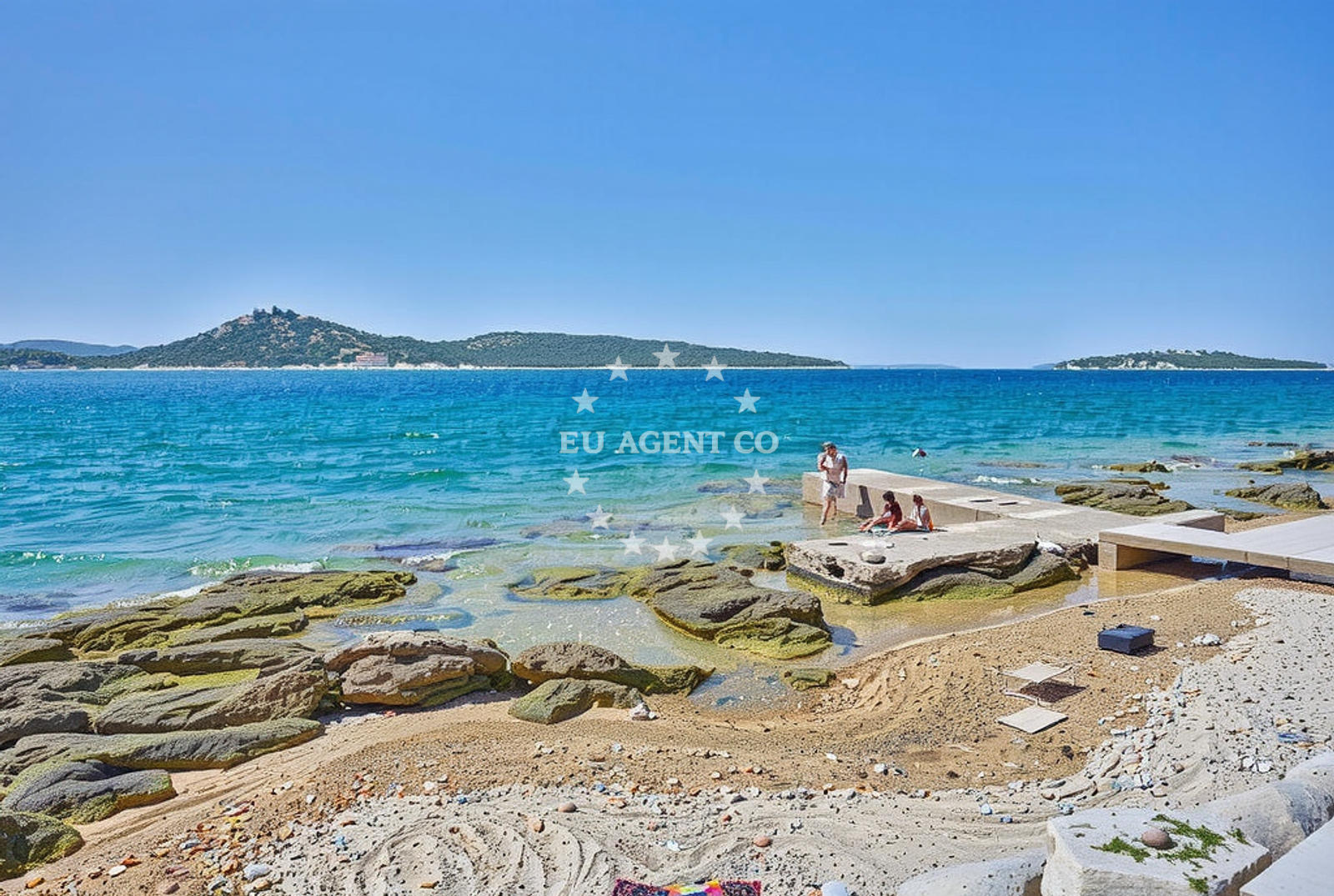
Šepurine sjever 2 lies on the northern shore of Prvić Island, part of the Zadar archipelago in Croatia's northern Dalmatia. This beach stretches 40 meters along a rocky coastline, with surfaces composed of gravel, concrete slabs, and stone. Its natural shade offers limited relief from the sun, making it a straightforward, unembellished coastal spot. The beach's proximity to the open sea and its position on Prvić Island situate it within a region known for clear waters and historic maritime routes.
About this beach
Šepurine sjever 2, Prvić Šepurine (Prvić)
Beach: Šepurine sjever 2
Location: Prvić Šepurine (Prvić)
Characteristics and facilities
Gravel, concrete / stone slabs, rocks
40 m
Natural shade
Beach character
The beach's terrain is defined by gravel and rocky outcrops, with sections of concrete and stone slabs likely used for coastal stabilization. The 40-meter length provides a compact shoreline, suitable for brief walks or as a vantage point for viewing the sea. Natural shade is minimal, restricted to areas where rock formations cast shadows. The lack of artificial structures or facilities means visitors should expect a raw, unaltered coastal experience typical of many Adriatic shorelines.
Swimming and shore
The rocky shore makes swimming challenging, with limited access to deeper water. The beach's orientation toward the open sea suggests exposure to waves, though the exact conditions depend on seasonal weather patterns. The gravel and stone surfaces may be uneven, requiring caution when entering or exiting the water. The beach does not appear to have designated swimming zones or safety infrastructure.
Facilities and activities
No facilities are explicitly listed for Šepurine sjever 2. The beach's characteristics suggest it is not a primary destination for recreation, but rather a natural coastal feature. Activities may be limited to walking along the shore or viewing the sea from the rocky terrain. The absence of amenities such as parking, restrooms, or seating aligns with its description as a straightforward, unembellished beach.
Access and location
Located on the northern coast of Prvić Island, the beach is accessible via roads connecting Prvić to the mainland and nearby islands. The nearest major settlement is Zadar, approximately 30 kilometers to the northeast. Prvić Island itself is part of the Zadar archipelago, a group of islands known for their historical significance and scenic coastal routes. Visitors arriving by yacht may find anchorage opportunities in nearby bays or marinas on the island.
What to expect
Expect a short, gravelly shoreline with rocky sections and limited natural shade. The beach is not equipped with amenities such as parking, restrooms, or seating. Its location on Prvić Island places it within a region popular with sailors and yacht charter guests, though the beach itself is not a primary docking or anchoring point. The open sea orientation means visitors should prepare for exposed conditions, particularly during windy weather.
Practical tips
Footwear with good traction is advisable due to the gravel and rocky surfaces. Sun protection is essential given the limited shade. Visitors should be aware that the beach lacks facilities, so provisions for food, water, and shade should be brought from elsewhere.
Exploring the coast by yacht
Prvić Island lies within the Zadar archipelago, a region favored by yacht charter travelers for its combination of historic sites, clear waters, and coastal villages. Sailors exploring the area may consider nearby anchorages such as those in the Bay of Zadar or on neighboring islands like Šolta and Vis. The Euro-Agent Yacht Search page can help locate motor yachts or sailboats available for charter in this region, with bases often situated in Zadar or nearby marinas.
Historical and Cultural Context
Prvić Island has historical ties to the Venetian Republic and the Austro-Hungarian Empire, with remnants of fortifications and old fishing villages still visible. The island's position near Zadar, a city with a rich medieval heritage, makes it a gateway to cultural sites such as the Zadar Cathedral and the Roman ruins of the Forum. Local traditions include seasonal festivals and seafood-based cuisine, reflecting the island's maritime history.