Rupice, Banjole Beach, Croatia
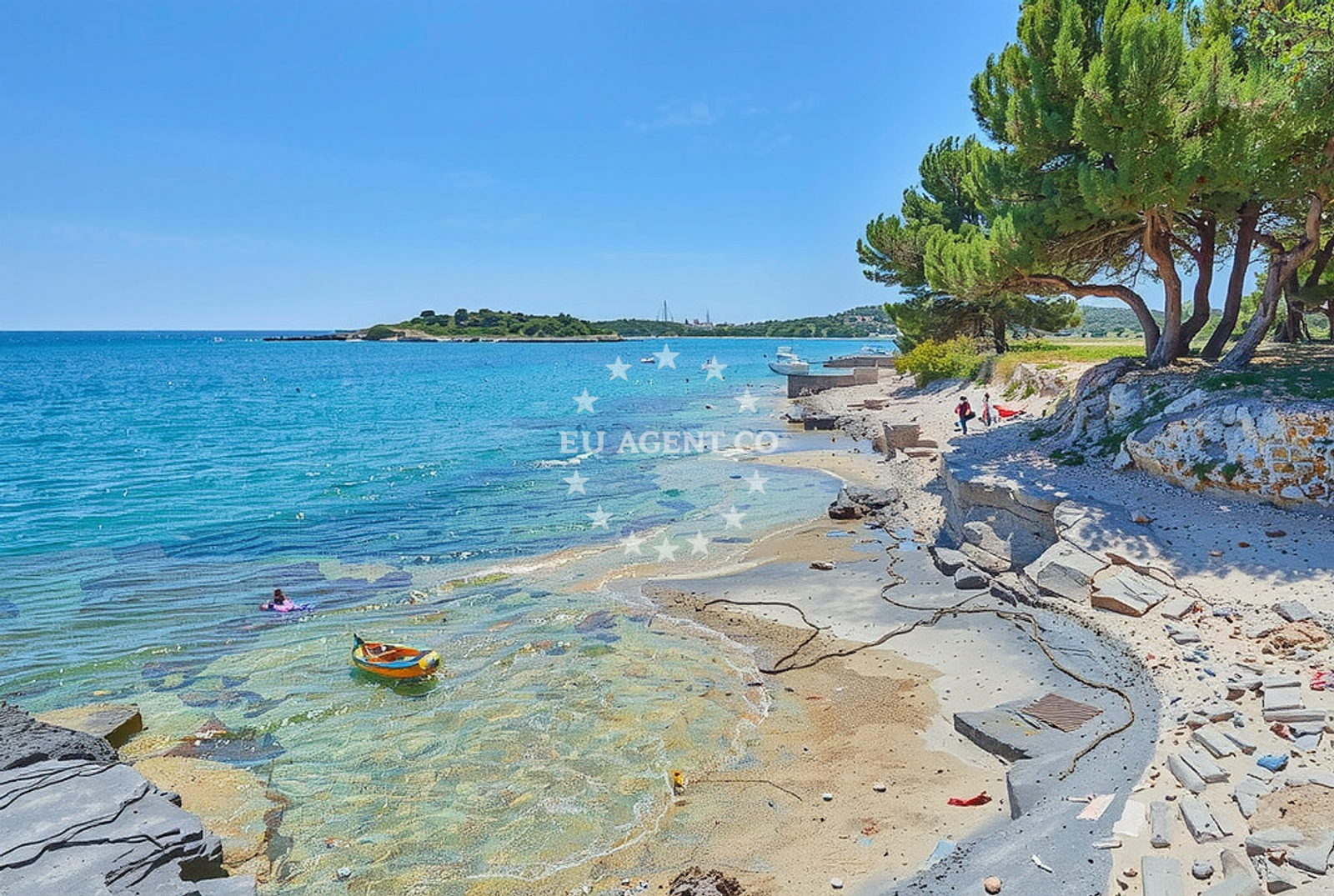
Rupice, Banjole Beach is a unique shoreline experience along Croatia's Dalmatian coast, characterized by its gravel and rocky composition. Situated in the quiet coastal village of Rupice, the beach stretches approximately 200 meters and offers natural shade from surrounding terrain. While lacking modern amenities, its raw, unspoiled character makes it an intriguing destination for those seeking a more rugged coastal encounter.
About this beach
Rupice, Banjole
Beach: Rupice
Location: Banjole
Characteristics and facilities
Gravel, rocks
200 m
Natural shade
Beach character
The beach's gravel and rock substrate defines its profile, creating a stark contrast to the smooth sandy beaches typical of the region. This composition influences both the swimming experience and the beach's accessibility. The natural shade provided by the landscape offers limited relief from the sun, making it advisable to bring sun protection. The beach's short length means visitors may find it more suitable for brief exploration rather than extended stays.
Swimming and shore
Swimming conditions at Banjole Beach are shaped by its rocky terrain. The gravelly seabed may make wading challenging, and the beach's orientation could lead to variable wave activity. The absence of artificial structures or beachside facilities means visitors should approach the water with caution, particularly in rougher conditions. The natural shade from the surrounding landscape provides intermittent respite from direct sunlight.
Facilities and activities
There are no formal facilities at Banjole Beach, including showers, restrooms, or parking. The beach's character is defined by its natural state, with no structured activities or rental services available. This makes it an ideal spot for those seeking solitude or a raw coastal experience, though it may not cater to families or groups requiring amenities.
Access and location
Located in the village of Rupice, Banjole Beach is part of the broader Dalmatian coastline, which stretches from Split to Dubrovnik. The beach's proximity to Rupice means visitors may find nearby accommodations, restaurants, or cultural attractions in the village itself. However, the beach's specific access points are not detailed in available records, suggesting it may require local knowledge to reach.
What to expect
Visitors to Banjole Beach should anticipate a rugged, unspoiled shoreline with gravel and rock formations. The beach's natural shade is limited, and there are no facilities for changing, showering, or storing belongings. The 200-meter length makes it more suitable for brief visits rather than extended relaxation. The area's appeal lies in its raw coastal character, offering a contrast to the more developed beaches of the region.
Practical tips
Due to the beach's gravel and rock composition, visitors should wear sturdy footwear for walking along the shore. Sun protection is essential, as natural shade is limited. There are no facilities for storing belongings, so visitors should carry all items with them. The beach's lack of amenities makes it best suited for those seeking a secluded, low-impact coastal experience.
Exploring the coast by yacht
For yacht charter guests exploring the Dalmatian coast, Banjole Beach offers a unique vantage point of Rupice's rugged shoreline. The surrounding waters are part of Croatia's popular sailing routes, with nearby marinas and anchorages accessible via Euro-Agent's yacht charter services. While the beach itself is not a docking point, its location provides an opportunity to explore the region's less-traveled coastal areas by boat.
Regional Context
Rupice is a small village on the island of Šolta, part of the Split-Dalmatia County. The area is known for its traditional fishing heritage and unspoiled natural landscapes. Nearby, the island of Šolta offers hiking trails and vineyards, while the mainland town of Split provides access to cultural sites like the Diocletian's Palace. Yacht charter guests may find the region appealing for its mix of secluded beaches and proximity to historical sites.