Postira (Brač): Beaches and Coves, Croatia
About this beach
Postira (Brač): beaches and coves
Beach character
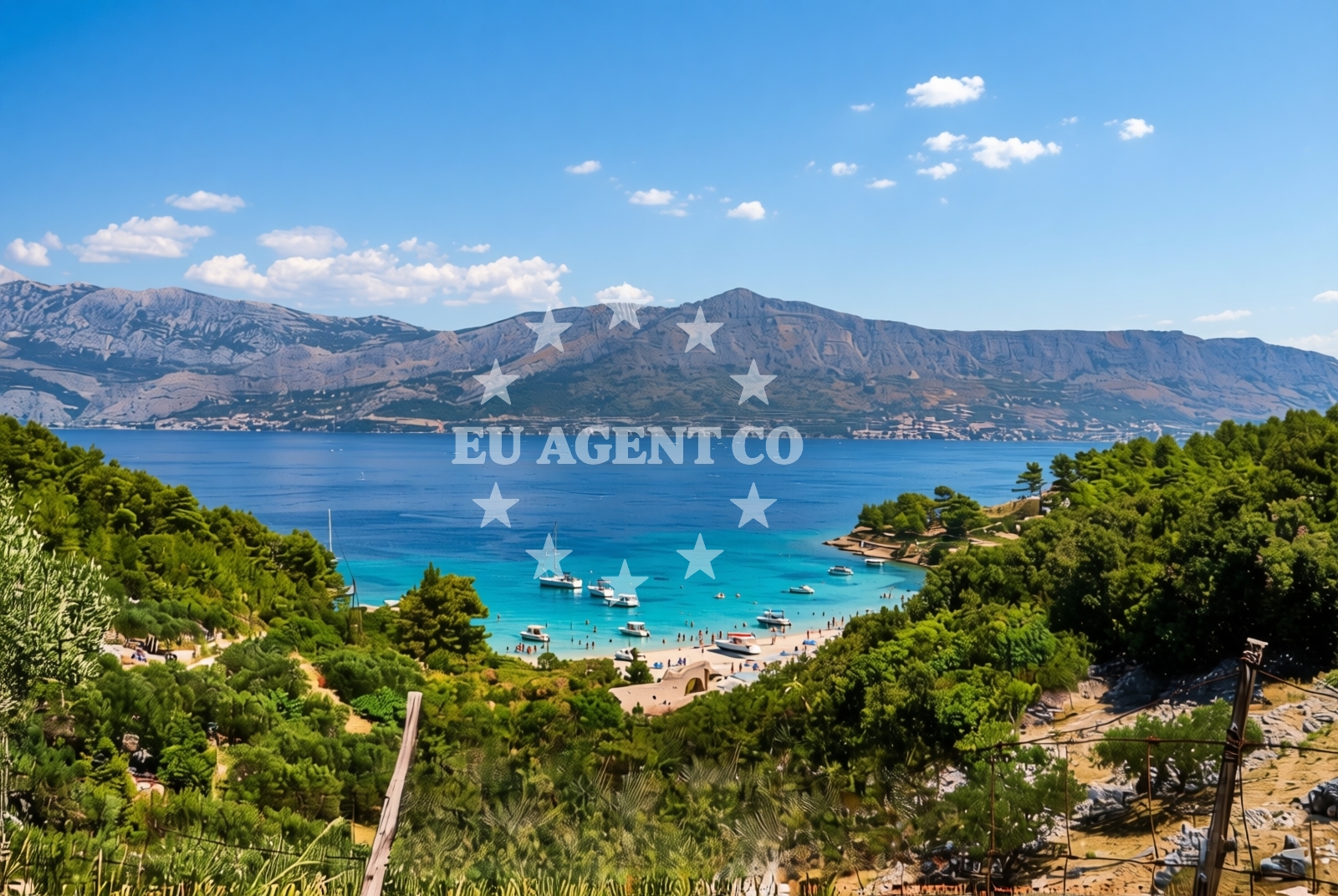
The beaches and coves of Postira are defined by Brač's characteristic limestone terrain, which creates sheltered inlets and dramatic coastal vistas. The island's geology contributes to the formation of shallow, pebbled beaches and rocky shorelines, with some coves offering calmer waters ideal for swimming. The area's natural features are complemented by the broader Brač landscape, which includes vineyards, olive groves, and traditional stone buildings that reflect the island's agricultural heritage.Swimming and shore
Swimming conditions in Postira's coves are generally favorable during the summer months, with water temperatures reaching comfortable levels for recreational use. The shorelines vary from pebbled beaches to rocky outcrops, with some areas featuring natural pools formed by the island's limestone formations. Visitors should note that the coastline's rugged nature means access to certain coves may require careful navigation, particularly during high tide.Facilities and activities
While specific beach facilities are not documented, Postira's coastal areas are served by the village's infrastructure, including local roads and pathways that provide access to the shore. The broader Brač region offers amenities such as restaurants, cafes, and small-scale tourism services in nearby settlements. Activities associated with the area include hiking along the island's trails, exploring caves, and enjoying the natural scenery from coastal viewpoints.Access and location
Postira is located on the northern coast of Brač, with the village itself situated near the island's main road network. Access to the beaches and coves is typically via local roads or footpaths that wind through the limestone terrain. The area's proximity to the Adriatic Sea makes it a convenient starting point for yacht charter excursions, with Brač's coastline offering numerous anchorage options and sailing routes to neighboring islands.What to expect
The beaches and coves of Postira are best experienced as part of Brač's broader coastal landscape. Visitors can expect a mix of natural features, including limestone cliffs, sheltered inlets, and open sea vistas. The area's character is shaped by its geological formations and the surrounding maritime environment, making it a destination for those seeking unspoiled coastal scenery. While specific facilities are not documented, the village of Postira provides basic services to support visitors exploring the coastline.Practical tips
When visiting Postira's beaches, consider bringing water for hydration, as some coves may lack direct access to drinking water sources. Sunscreen and comfortable footwear are recommended for exploring rocky shorelines. The area's natural beauty is best appreciated during daylight hours, with the limestone formations casting dramatic shadows across the coastline.Exploring the coast by yacht
For yacht charter guests, Postira's location on Brač offers a strategic base for exploring the Adriatic's sailing routes. The island's coastline, with its combination of sheltered coves and open sea, provides opportunities for both anchoring and navigating to nearby destinations such as Hvar, Vis, and the islands of the central Dalmatian coast. Yacht charter companies operating in the region often highlight Brač as a gateway to the Adriatic's diverse maritime landscapes.Cultural and Historical Context
Postira's coastal areas are historically significant, with the village serving as a traditional fishing and agricultural hub. The island's medieval history is reflected in its stone architecture and the presence of ancient quarries used for limestone extraction. This heritage contributes to the unique character of Postira's beaches, which are surrounded by landscapes shaped by centuries of human activity and natural processes.
Local Cuisine and Dining
Visitors to Postira can sample local Brač specialties, including white wine produced from the island's vineyards and seafood dishes sourced from the Adriatic. The village's restaurants and cafes offer menus that reflect the region's culinary traditions, with an emphasis on fresh, locally sourced ingredients.
Anchorages in the surrounding area
Anchorages near Postira include locations in Splitska and Supetar, offering nearby mooring options.
- Anchorage — postira — brac — 0.4 NM from beach
- Anchorage — splitska — brac — 1.4 NM from beach
- Anchorage — postira — brac — 1.6 NM from beach
- Konopjikova — postira — brac — 2.3 NM from beach
- Anchorage — supetar — brac — 4.1 NM from beach
- Uvala Likva — sutivan — brac — 7.5 NM from beach
- Tri luke — povlja — brac — 7.6 NM from beach
- Bobovišća — bobovisce — brac — 7.7 NM from beach
Distances are straight-line geographic distances, not sailing routes.
Mooring buoys in the surrounding area
Mooring buoys in Postira and Podstrana provide proximity to the beach and surrounding areas.
- Quay — postira — brac — 2.3 NM from beach
- Jetty — podstrana — 6.5 NM from beach
- Buoy field — bol — brac — 7.0 NM from beach
- Buoy field — bol — brac — 7.1 NM from beach
- Restaurant Pipo buoys — povlja — brac — 7.4 NM from beach
Distances are straight-line geographic distances, not sailing routes.
Marine fuel stations
- Fuel station — bol — brac — 7.0 NM from beach
- Ina — milna brac — 8.7 NM from beach
- Fuel station — sumartin — brac — 11.4 NM from beach
- Ina — split — 11.7 NM from beach
Distances are straight-line geographic distances, not sailing routes.
Harbours in the surrounding area
Harbors in Postira and Splitska are situated close to the beach with direct access.
- Postira — brac — 0.2 NM from beach
- Splitska — brac — 1.1 NM from beach
- Supetar — brac — 3.4 NM from beach
- Dugi Rat — 4.1 NM from beach
- Sumpetar — dugi rat — 4.5 NM from beach
- Pod Mirca — brac — 4.8 NM from beach
Distances are straight-line geographic distances, not sailing routes.
Marinas in the surrounding area
Marinas in Podstrana and Milna are located further from Postira but within reach.
- Marina Lav — podstrana — 8.1 NM from beach
- ACI Marina Milna — milna brac — 8.5 NM from beach
- Marina Milna Kanarija — milna brac — 8.7 NM from beach
- Marina Vlaška — milna brac — 8.8 NM from beach
- ACI Marina Split — 11.6 NM from beach
Distances are straight-line geographic distances, not sailing routes.
Restaurants near the beach
Restaurants in Postira, Splitska, and Supetar are clustered near the beach and its surroundings.
- Galija — postira — brac — 0.2 NM from beach
- Vala — splitska — brac — 1.1 NM from beach
- Restaurant — postira — brac — 1.7 NM from beach
- Mala Kate — supetar — brac — 3.3 NM from beach
- Vinotoka — supetar — brac — 3.4 NM from beach
- Lukin — supetar — brac — 3.4 NM from beach
- Neven — supetar — brac — 3.7 NM from beach
Distances are straight-line geographic distances, not sailing routes.
Navigation guides for the surrounding area
- Postire — 0.1 NM from beach
- Uvala Spliska (Splitska) — 1.0 NM from beach
- Dugi Rat (Uvala Orisac) — 4.0 NM from beach
- Omis — 4.9 NM from beach
- Pucisca — 5.2 NM from beach
Distances are straight-line geographic distances, not sailing routes.
Yachts from nearby departure bases
Yachts departing from Sumpetar Port and Omiš City Port are positioned near the Postira beach area.
Sailing yachts
- Jeanneau 53 (Win Win) — Podstrana Marina Lav — 8.1 NM from departure base to beach
Catamarans
- Lagoon 450 Fly (Falco) — Sumpetar Port — 4.5 NM from departure base to beach
Motor yachts
- Sessa Fly 47 (Star Dust) — Podstrana Marina Lav — 8.1 NM from departure base to beach
Gulets / Cruisers
- Gulet (Altair) — Sumpetar Port — 4.5 NM from departure base to beach
- Gulet (Cataleya) — Sumpetar Port — 4.5 NM from departure base to beach
- Gulet (Trebenna) — Omiš City Port — 4.9 NM from departure base to beach
- Gulet (Primorac) — Omiš City Port — 4.9 NM from departure base to beach
- Gulet (PATRONICE) — Omiš City Port — 4.9 NM from departure base to beach
- Gulet cruiser (AGORA) — Dugi Rat Luka Krilo — 5.3 NM from departure base to beach
Motor boats
- Cranchi M44 HT (Brown Sugar) — Podstrana Marina Lav — 8.1 NM from departure base to beach
Distances are straight-line geographic distances, not sailing routes.