Poljice (Konavle): Beaches and Coves, Croatia
Nestled along the rugged coastline of Konavle, a historic region south of Dubrovnik, Poljice offers a network of tranquil coves and sheltered beaches carved by the Adriatic Sea. This lesser-known stretch of coast retains a rustic charm, with limestone cliffs, scattered olive groves, and medieval village remnants that hint at its Venetian past. While the area lacks modern amenities, its raw natural beauty and proximity to Dubrovnik’s UNESCO-listed Old Town make it a compelling destination for those seeking authenticity.
About this beach
Poljice (Konavle): beaches and coves
Beach character
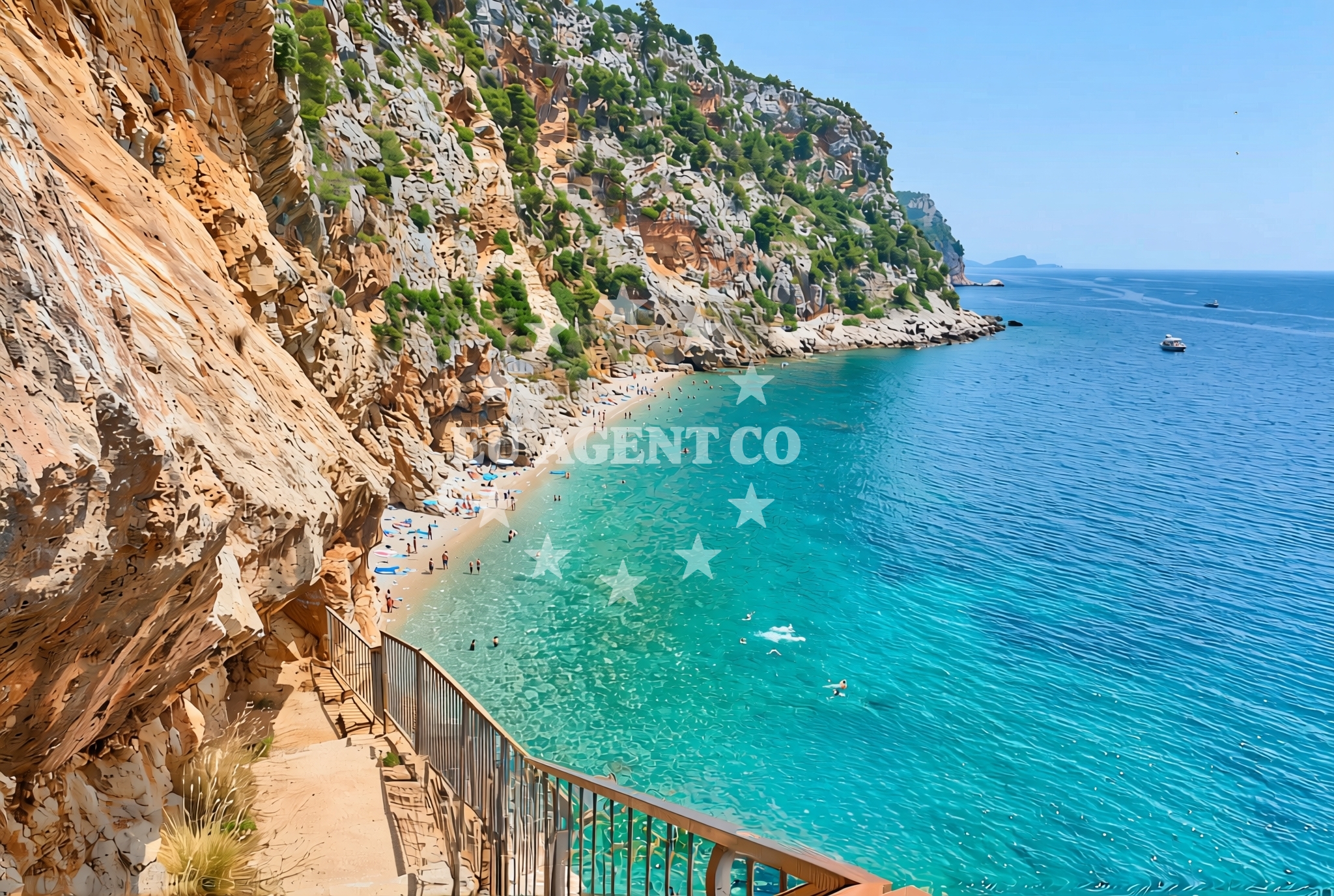
The beaches of Poljice are defined by their rocky inlets and pebbled shores, with some coves offering limited sandy patches. The coastline is punctuated by limestone outcrops and dense vegetation, creating a landscape that feels both ancient and untouched. The waters here are typically clear and calm, though swells can increase during storms. The absence of large-scale tourism means visitors often enjoy these spots in solitude, with only the occasional fisherman or local family using the shoreline.
Swimming and shore
Swimming is possible in the shallower coves, though the rocky terrain means access to the water requires careful navigation. The sea floor slopes gently in some areas, making it suitable for snorkeling, while deeper channels between the islands create natural currents. The shorelines are mostly composed of pebbles and small stones, with minimal sand. Visitors should be mindful of tide changes, as some coves become inaccessible during high water.
Facilities and activities
There are no formal facilities at the beach itself, including showers, restrooms, or parking. However, nearby villages such as Konavle and Šupetar offer basic services, including small cafes and shops. The area is ideal for hiking along the coast, with trails leading to viewpoints overlooking the Adriatic. Kayaking and stand-up paddling are popular activities in calmer coves, though no rentals are available on-site. Fishing is permitted in designated zones, reflecting the region’s long maritime traditions.
Access and location
Poljice is accessible via a winding road from Dubrovnik, approximately 25 kilometers east. The nearest major town is Šupetar, which serves as a base for exploring the Konavle coast. Public transport options are limited, making private vehicles or guided tours the most practical means of reaching the area. The coastline’s remoteness means visitors should plan for self-sufficiency, as services are sparse beyond the villages.
What to expect
Expect a landscape shaped by nature and history, with minimal infrastructure to match. The beaches of Poljice are best suited for those who appreciate quiet, unspoiled environments. The rocky terrain and limited access mean it’s not ideal for families with young children, but it offers a unique opportunity to experience the Adriatic’s traditional coastal character. The area’s charm lies in its contrasts: the stark white cliffs against the deep blue sea, and the remnants of old stone houses nestled among the hills.
Practical tips
Bring a reusable water bottle, as drinking water is not available at the beach. Sunscreen and a hat are essential due to the reflective nature of the limestone rocks. A pair of sturdy shoes is recommended for navigating the uneven shore. For meals, plan ahead by purchasing supplies in Šupetar or Konavle, as no food vendors operate near the coves.
Exploring the coast by yacht
The Konavle coast, including Poljice, lies within a popular sailing region for charter yachts exploring the southern Adriatic. The nearby marina in Šupetar provides a base for boats seeking to explore the area’s hidden bays and islands. Yacht charter guests may find the region appealing for its combination of sheltered anchorages and proximity to Dubrovnik’s cultural attractions. For availability and booking assistance, visit the Yacht Search page to explore motorboats and sailboats operating in this area.
Historical Context of Konavle
Konavle’s history is deeply tied to its strategic position between Dubrovnik and the Pelješac Peninsula. During the medieval period, the region was a contested territory, with Venetian and Ottoman influences leaving visible marks in its architecture and place names. The village of Konavle itself dates back to the 13th century, with its stone houses and narrow streets preserving a medieval layout. This historical layer adds depth to the experience of visiting the area’s beaches.
Anchorages in the surrounding area
Anchorages in the surrounding area include Molunat, Cavtat, and Srebreno, offering nearby mooring options.
- Anchorage — molunat — 3.0 NM from beach
- Anchorage — molunat — 3.6 NM from beach
- Tiha — cavtat — 8.7 NM from beach
- Anchorage — cavtat — 9.0 NM from beach
- Srebreno — 10.9 NM from beach
- Anchorage — srebreno — 11.1 NM from beach
- Anchorage — lokrum — 13.6 NM from beach
- Anchorage — lokrum — 13.9 NM from beach
Distances are straight-line geographic distances, not sailing routes.
Mooring buoys in the surrounding area
- Cipavica — prevlaka — 8.4 NM from beach
- Tihat — cavtat — 8.7 NM from beach
- Cavtat — 8.8 NM from beach
- Quay — srebreno — 10.9 NM from beach
- Jetty — srebreno — 11.1 NM from beach
Distances are straight-line geographic distances, not sailing routes.
Marine fuel stations
- Ina — dubrovnik — 15.3 NM from beach
- Ina — dubrovnik — 16.4 NM from beach
Distances are straight-line geographic distances, not sailing routes.
Harbours in the surrounding area
- Gornji Molunat — 3.6 NM from beach
- Cavtat — 8.8 NM from beach
- Plat — 9.2 NM from beach
- Mlini — 10.8 NM from beach
- Dubrovnik City Harbour — 14.6 NM from beach
Distances are straight-line geographic distances, not sailing routes.
Marinas in the surrounding area
Marinas in the surrounding area feature ACI Marina Dubrovnik and Marina Frapa Dubrovnik, located further from the beach but providing full facilities.
- ACI Marina Dubrovnik — 15.3 NM from beach
- Marina Frapa Dubrovnik — 16.4 NM from beach
- ACI Marina Slano — 27.6 NM from beach
Distances are straight-line geographic distances, not sailing routes.
Navigation guides for the surrounding area
Navigation guides for the surrounding area cover routes near Zelenika and Meljine, aiding in safe passage around the region.
- W-0830-R-11 00-W-1 290-G-1 580 — 9.2 NM from beach
- Zelenika — 9.2 NM from beach
- Meljine — 9.4 NM from beach
- Mlini and Srebreno — 10.5 NM from beach
- Donji Morinj — 12.3 NM from beach
Distances are straight-line geographic distances, not sailing routes.
Yachts from nearby departure bases
Yachts from nearby departure bases include those based in Dubrovnik Port and Dubrovnik ACI Marina, offering sail and motor options for excursions.
Sailing yachts
- X-65 (Eline) — Dubrovnik Port — 8.9 NM from departure base to beach
- Sun Odyssey 389 (Sunsail 38) — Dubrovnik ACI Marina — 15.3 NM from departure base to beach
- Oceanis 38.1 (Citrea) — Dubrovnik ACI Marina — 15.3 NM from departure base to beach
Catamarans
- Lagoon 42 (Jutka) — Dubrovnik ACI Marina — 15.3 NM from departure base to beach
- Excess 12 (Silver Kiss) — Dubrovnik ACI Marina — 15.3 NM from departure base to beach
Motor yachts
- Motoryacht (Cloud 9) — Dubrovnik ACI Marina — 15.3 NM from departure base to beach
- Prestige 590 Fly (B. GINGER) — Dubrovnik ACI Marina — 15.3 NM from departure base to beach
Gulets / Cruisers
- Gulet (Nostra Vita) — Dubrovnik ACI Marina — 15.3 NM from departure base to beach
- Gulet (Saint Luca) — Dubrovnik ACI Marina — 15.3 NM from departure base to beach
Motor boats
- Prestige 42 (Marko) — Dubrovnik ACI Marina — 15.3 NM from departure base to beach
Distances are straight-line geographic distances, not sailing routes.