Mali Ston Beaches and Coves, Croatia
Nestled along the southern coast of the Pelješac Peninsula, Mali Ston's beaches and coves offer a tranquil escape within Croatia's most scenic maritime landscapes. This stretch of coastline lies between the historic town of Ston and the island of Korčula, forming part of the Dubrovnik-Neretva region's renowned Adriatic shoreline. The area is distinguished by its dramatic limestone cliffs, sheltered bays, and clear waters, making it a favored destination for both land-based visitors and sailors exploring the eastern Adriatic.
About this beach
Mali Ston: beaches and coves
Beach character
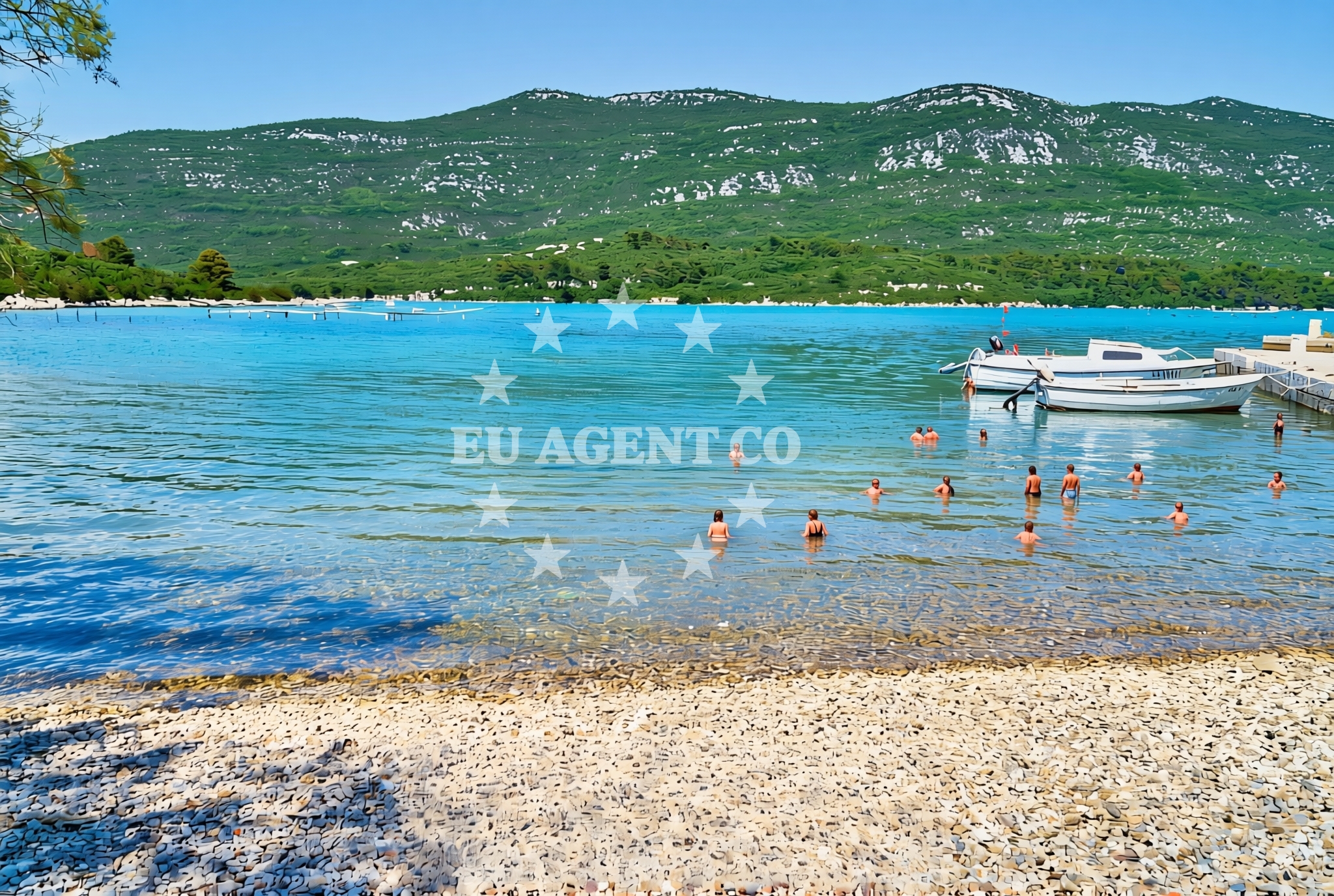
The beaches associated with Mali Ston are characterized by their pebbled shores and shallow, turquoise waters that gradually deepen toward the open sea. The coastline features a series of small coves protected by natural rock formations, creating ideal conditions for calm swimming and snorkeling. The surrounding landscape is marked by vineyards and olive groves, reflecting the region's long-standing agricultural traditions. While the beaches themselves lack formal amenities, their proximity to the nearby town of Ston ensures easy access to local services and cultural attractions.
Swimming and shore
The waters around Mali Ston are generally shallow and sheltered, with gentle currents making them suitable for swimming. The pebbled beaches provide a stable surface for sunbathing, though visitors may want to bring a towel for comfort. The shoreline is interspersed with rocky outcrops and small inlets, some of which offer secluded spots for relaxation. Snorkeling is possible in several areas, with underwater visibility often exceeding 20 meters. The nearby Pelješac Channel, a narrow strait between the Pelješac Peninsula and the island of Korčula, is a notable feature of the region's maritime geography.
Facilities and activities
While the beaches themselves do not have permanent facilities, the nearby town of Ston offers a range of amenities including restaurants, shops, and accommodations. The area is well-connected by road to Dubrovnik and Korčula, with bus services and car rentals available. Onshore activities include visiting the iconic Ston Fortress, one of the longest continuously inhabited walls in the world, and exploring the nearby wine-producing regions. For water-based recreation, kayaking and stand-up paddleboarding are popular in the sheltered coves.
Access and location
Mali Ston's beaches are accessible via a network of coastal roads that connect to the main routes between Dubrovnik and Korčula. The nearest major marina is in the town of Ston, which serves as a hub for yacht charter operations in the region. The area's strategic location makes it a convenient stop for sailors traveling between the Adriatic Sea and the islands of the Dalmatian coast. The beaches are approximately 35 nautical miles northeast of Dubrovnik and 20 nautical miles west of Korčula, placing them within easy reach of multiple sailing destinations.
What to expect
Visitors to Mali Ston's beaches can expect a landscape defined by natural beauty and historical significance. The area's combination of rugged coastline and cultivated land creates a unique setting that blends maritime traditions with Mediterranean agriculture. While the beaches themselves are relatively undeveloped, their proximity to Ston ensures access to cultural experiences, dining options, and accommodations. The region's sailing appeal is underscored by its position within the Pelješac Peninsula, a popular route for yachts exploring the eastern Adriatic.
Practical tips
Visitors should bring water and sun protection, as shade is limited along the pebbled shores. Parking is available in Ston and nearby areas, though spaces may be limited during peak season. For those arriving by boat, the Ston Marina provides berthing options and access to local services. The area's historical sites, including the Ston Fortress, are best explored with guided tours to fully appreciate their significance.
Exploring the coast by yacht
The Pelješac Peninsula, where Mali Ston is located, is a key sailing area in the Adriatic, offering a mix of sheltered bays and open sea routes. Yacht charter guests often use the region as a base for exploring the nearby islands of Korčula and Mljet, as well as the historic cities of Dubrovnik and Split. The area's proximity to the Pelješac Channel makes it a strategic point for navigating between the Adriatic Sea and the islands. Sailors should note the presence of several anchorages along the peninsula, with the Ston Marina serving as a primary port of call for charter yachts.
Historical Significance of the Area
The Mali Ston region is steeped in history, with the nearby Ston Fortress dating back to Roman times. This UNESCO-protected site is one of the oldest and longest walls in Europe, offering insights into the region's medieval defense systems. The area's strategic location has made it a crossroads of trade and culture for centuries, with influences from the Illyrians, Romans, Byzantines, and Venetians still visible in local architecture and traditions.
Anchorages in the surrounding area
- Anchorage — mali ston — 0.1 NM from beach
- Anchorage — prapratno — 2.2 NM from beach
- Anchorage — broce — 2.7 NM from beach
- Ribnja — broce — 2.9 NM from beach
- Anchorage — broce — 3.1 NM from beach
- Anchorage — broce — 3.6 NM from beach
- Anchorage — broce — 4.9 NM from beach
- Anchorage — olipa — 5.8 NM from beach
Distances are straight-line geographic distances, not sailing routes.
Mooring buoys in the surrounding area
Mooring buoys in Prapratno, Kobas, and Slano are within a few nautical miles of the beach.
- Quay — prapratno — 2.2 NM from beach
- Quay — kobas — 3.1 NM from beach
- Lukas Taverna jetty — kobas — 3.1 NM from beach
- Konoba Nico jetty — kobas — 3.2 NM from beach
- Quay — slano — 7.2 NM from beach
Distances are straight-line geographic distances, not sailing routes.
Marine fuel stations
- Fuel station — sobra — mljet — 7.4 NM from beach
- Fuel station — ploce — 17.0 NM from beach
- Ina — dubrovnik — 20.1 NM from beach
- Ina — dubrovnik — 21.4 NM from beach
Distances are straight-line geographic distances, not sailing routes.
Harbours in the surrounding area
Harbors in Mali Ston, Ston, and Hodilje are located near the beach with direct access.
- Mali Ston — 0.1 NM from beach
- Ston — 0.8 NM from beach
- Hodilje — 0.9 NM from beach
- Prapranto Ferry Harbour — prapratno — 2.4 NM from beach
- Doli — 4.7 NM from beach
- Okuklje — mljet — 7.4 NM from beach
Distances are straight-line geographic distances, not sailing routes.
Marinas in the surrounding area
- ACI Marina Slano — 9.0 NM from beach
- Marina Frapa Dubrovnik — 20.2 NM from beach
- ACI Marina Dubrovnik — 21.4 NM from beach
- Marina Lumbarda — korcula — 23.8 NM from beach
- ACI Marina Korčula — korcula — 25.8 NM from beach
Distances are straight-line geographic distances, not sailing routes.
Restaurants near the beach
Restaurants in Mali Ston, Prapratno, and Kobas offer dining options close to the beach.
- Bota Sare — mali ston — 0.1 NM from beach
- Restaurant — prapratno — 2.1 NM from beach
- Gastro Mare — kobas — 3.1 NM from beach
- Luka's Taverna — lukas taverna — kobas — 3.1 NM from beach
- Nico — kobas — 3.2 NM from beach
Distances are straight-line geographic distances, not sailing routes.
Navigation guides for the surrounding area
Navigation guides for Mali Ston, Hodilje, and Luka provide route information near the beach.
- Mali Ston — 0.3 NM from beach
- Hodilje — 0.8 NM from beach
- Excursions — 0.9 NM from beach
- Luka — 1.2 NM from beach
- Uvala Bistrina — 1.5 NM from beach
Distances are straight-line geographic distances, not sailing routes.
Yachts from nearby departure bases
Sailing yachts
- Oceanis 45 (Mambo 1) — Slano ACI Marina — 9.0 NM from departure base to beach
- Elan 50 Impression (Timeless) — Slano ACI Marina — 9.0 NM from departure base to beach
- Elan 45 Impression (Skyfall) — Slano ACI Marina — 9.0 NM from departure base to beach
- Oceanis 45 (Soul) — Slano ACI Marina — 9.0 NM from departure base to beach
- Oceanis 45 (Cancan) — Slano ACI Marina — 9.0 NM from departure base to beach
Catamarans
- Lagoon 450 Flybridge (ANJA I) — Slano ACI Marina — 9.0 NM from departure base to beach
- Lagoon 40 (SUNLIGHT) — Slano ACI Marina — 9.0 NM from departure base to beach
- Lagoon 42 (MALA KATE I) — Slano ACI Marina — 9.0 NM from departure base to beach
- Lagoon 40 (MARINERO) — Slano ACI Marina — 9.0 NM from departure base to beach
- Astrea 42 (Wave) — Slano ACI Marina — 9.0 NM from departure base to beach
Distances are straight-line geographic distances, not sailing routes.