Dubrava (Ston): Beaches and Coves, Croatia
Dubrava (Ston) lies on the southern coast of the Pelješac Peninsula, a region renowned for its rugged cliffs, vineyards, and historical significance. This stretch of coastline blends natural beauty with cultural heritage, offering a glimpse into Croatia's medieval past and modern maritime traditions. The area is part of a broader network of Adriatic sailing routes, making it a strategic point for yacht charter explorations of the region.
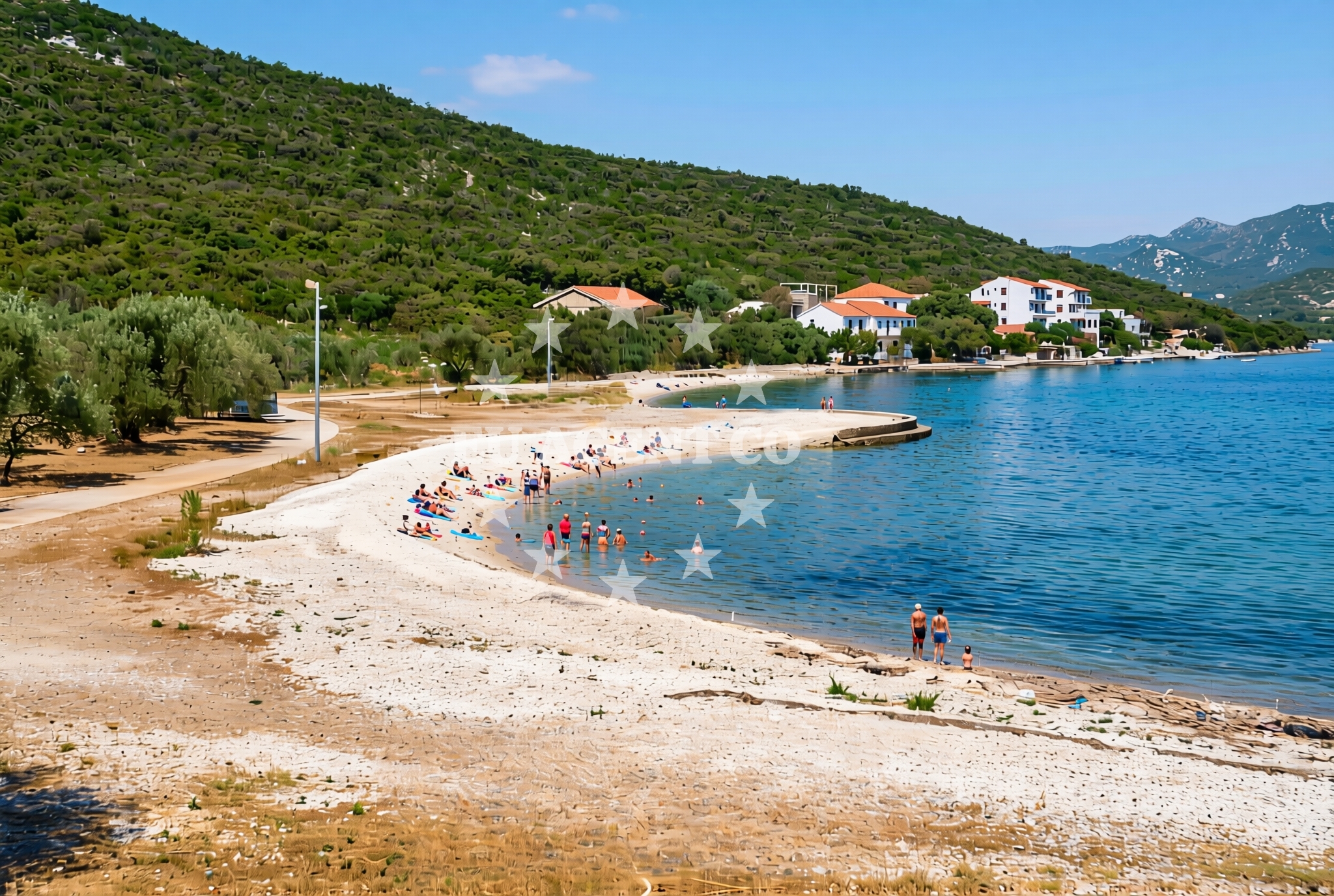
About this beach
Dubrava (Ston): beaches and coves
Beach character
The beaches and coves of Dubrava (Ston) are characterized by their proximity to the Ston Fortress, one of the longest fortified walls in the world. The shoreline features a mix of rocky outcrops and sandy patches, typical of the Pelješac Peninsula's geology. The waters here are part of the Adriatic Sea's clear, temperate waters, which support diverse marine life and make the area appealing for snorkeling and diving enthusiasts.
Swimming and shore
Swimming conditions at Dubrava (Ston) are generally favorable, with calm waters near the shore and stronger currents further out. The rocky terrain means that beachgoers should be mindful of uneven surfaces and potential hazards. The area's natural setting provides opportunities for coastal walks, with views of the fortress and the surrounding vineyards. The shoreline is relatively undeveloped, preserving its natural character.
Facilities and activities
Facilities at Dubrava (Ston) are limited to the natural landscape, with no permanent infrastructure such as showers, toilets, or parking. However, the nearby town of Ston offers amenities including restaurants, shops, and historical sites. Activities in the area include hiking along the fortress walls, visiting local wineries, and exploring the nearby island of Šipan. The region is also a gateway to the broader Adriatic sailing routes, with opportunities for boat tours and yacht charter excursions.
Access and location
Dubrava (Ston) is accessible via road connections to the town of Ston and the broader Pelješac Peninsula. The area is within reach of major Adriatic ports such as Split and Dubrovnik, making it a convenient stop for yacht charter guests exploring the southern Adriatic. The coastline here is part of a larger network of anchorages and marinas, including those in Orebić and the nearby islands, which support both motor and sailing yachts.
What to expect
Visitors to Dubrava (Ston) can expect a landscape shaped by history and nature, with the Ston Fortress dominating the horizon. The beaches and coves offer a tranquil setting for those seeking solitude, while the proximity to Ston provides access to cultural and culinary experiences. The area is best suited for travelers interested in historical exploration, natural beauty, and sailing opportunities in the Adriatic. Due to the lack of formal facilities, visitors should plan accordingly for basic needs.
Practical tips
Given the absence of formal amenities at Dubrava (Ston), visitors should bring personal supplies such as water, sunscreen, and snacks. The area is best explored during the day, with limited lighting in the evenings. Those interested in sailing should consult local maritime charts for safe navigation, as the rocky coastline requires careful anchoring.
Exploring the coast by yacht
The Pelješac Peninsula, including Dubrava (Ston), is a key location for yacht charter operations in the Adriatic. The region's sheltered bays, marinas in Orebić, and proximity to the islands of Šipan and Hvar make it a popular route for both short and long-term charters. Yacht guests can easily access the area from major Adriatic ports and explore the surrounding coastline, which includes historic sites, vineyards, and secluded coves. For detailed information on yacht availability and sailing itineraries, visitors are encouraged to use the Yacht Search tool.
Historical and Cultural Context
The Ston Fortress, a UNESCO World Heritage Site, is a defining feature of the area. Built during the 13th and 14th centuries, the walls were constructed to defend the city of Ston against Ottoman invasions. Today, the fortress stands as a testament to the region's strategic importance in medieval Europe. Visitors can explore the fortress, learn about its history, and enjoy panoramic views of the Adriatic Sea.
Local Cuisine and Wineries
The Pelješac Peninsula is known for its production of Malvasia and Plavac Mali wines, which are often sampled at local wineries. The region's cuisine reflects its coastal and agricultural heritage, with dishes featuring seafood, olive oil, and locally grown produce. Visitors are encouraged to sample traditional dishes such as grilled fish, octopus, and lamb at restaurants in Ston and nearby villages.
Anchorages in the surrounding area
Anchorages in nearby brijesta and zuljana offer convenient mooring options close to Dubrava (Ston).
- Anchorage — brijesta — 1.7 NM from beach
- Anchorage — zuljana — 2.4 NM from beach
- Anchorage — zuljana — 2.5 NM from beach
- Anchorage — duboka — 3.9 NM from beach
- Anchorage — klek — 4.0 NM from beach
- Anchorage — klek — 4.3 NM from beach
- Anchorage — trstenik — 4.3 NM from beach
- Anchorage — trstenik — 4.7 NM from beach
Distances are straight-line geographic distances, not sailing routes.
Mooring buoys in the surrounding area
- Brijesta — 1.7 NM from beach
- Jetty — blace — 7.1 NM from beach
- Buoy — mljet — 7.4 NM from beach
- Restaurant Dalmatinac quay — mljet — 7.4 NM from beach
- Konoba Joseph dock — polace — mljet — 8.0 NM from beach
Distances are straight-line geographic distances, not sailing routes.
Marine fuel stations
Marine fuel stations in sobra and ploce serve as refueling options for vessels traveling to Dubrava (Ston).
- Fuel station — sobra — mljet — 10.2 NM from beach
- Fuel station — ploce — 10.5 NM from beach
- Fuel station — korcula — 16.3 NM from beach
- Ina — dubrovnik — 28.7 NM from beach
Distances are straight-line geographic distances, not sailing routes.
Harbours in the surrounding area
- Žuljana — zuljana — 2.4 NM from beach
- Drače — drace — 3.7 NM from beach
- Sresar — rat — 4.6 NM from beach
- Trstenik — 5.1 NM from beach
- Kozarica — mljet — 6.8 NM from beach
- Polače — polace — mljet — 8.1 NM from beach
Distances are straight-line geographic distances, not sailing routes.
Marinas in the surrounding area
- Marina Lumbarda — korcula — 14.9 NM from beach
- ACI Marina Korčula — korcula — 16.8 NM from beach
- ACI Marina Slano — 17.9 NM from beach
- Marina Frapa Dubrovnik — 28.8 NM from beach
Distances are straight-line geographic distances, not sailing routes.
Restaurants near the beach
Restaurants in zuljana, such as Bistro Ankora, are located near Dubrava (Ston).
- Bistro Ankora — zuljana — 2.3 NM from beach
- Konoba Riva — zuljana — 2.4 NM from beach
Distances are straight-line geographic distances, not sailing routes.
Navigation guides for the surrounding area
Navigation guides for nearby uvala Lopata and Klek assist in planning routes to Dubrava (Ston).
- Uvala Lopata — 4.0 NM from beach
- Uvala Kljemtine — 4.1 NM from beach
- Uvala Klek — 4.3 NM from beach
- Trstenik — 4.8 NM from beach
- Kozarica — 6.7 NM from beach
Distances are straight-line geographic distances, not sailing routes.
Yachts from nearby departure bases
Yachts departing from Ploče City Port and Slano ACI Marina offer charter options for exploring Dubrava (Ston).
Sailing yachts
- Elan 40 Impression (Karleta) — Ploče City Port — 10.5 NM from departure base to beach
- Sun Odyssey 419 (Luka Ploce) — Ploče City Port — 10.5 NM from departure base to beach
- Salona 44 (SAMOA) — Ploče City Port — 10.5 NM from departure base to beach
- More 55 (MRS. ROBINSON) — Ploče City Port — 10.5 NM from departure base to beach
- Sun Odyssey 349 (Visnjica) — Ploče City Port — 10.5 NM from departure base to beach
- Elan 514 Impression (Cesarica III) — Ploče City Port — 10.5 NM from departure base to beach
- Sun Odyssey 349 (Porto Tolero) — Ploče City Port — 10.5 NM from departure base to beach
- Elan 50 Impression (Timeless) — Slano ACI Marina — 17.9 NM from departure base to beach
Catamarans
- Lagoon 450 Fly (Alba Mouse) — Ploče City Port — 10.5 NM from departure base to beach
- Lagoon 450 Flybridge (MALA MARE) — Slano ACI Marina — 17.9 NM from departure base to beach
Distances are straight-line geographic distances, not sailing routes.