Bad (dog beach), Rogač (Šolta) Beach, Croatia
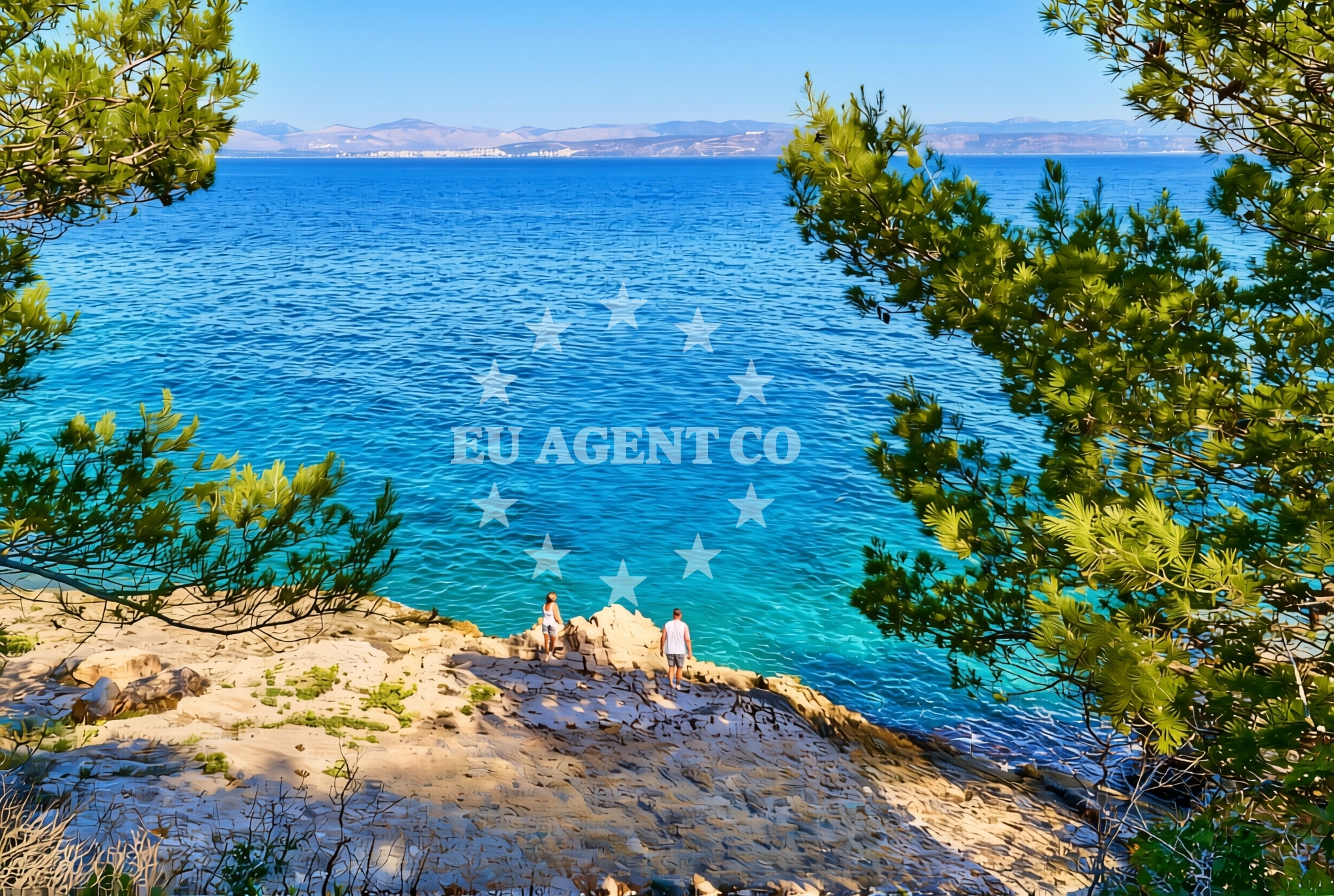
Located on the southern coast of Šolta Island, Bad (dog beach) is a secluded stretch of rocky shoreline that offers a unique blend of natural beauty and practicality for pet-friendly visitors. The beach’s defining feature is its rugged terrain, which provides natural shade from the Adriatic sun. While the lack of traditional sand may deter some, the area’s tranquility and accessibility make it a favored spot for dog walkers and nature enthusiasts. Šolta itself is a quiet island in the Split-Dalmatia County, known for its vineyards and proximity to the bustling coastal towns of Split and Hvar. This beach, though modest in size, reflects the island’s character: unpolished, authentic, and oriented toward those who seek simplicity over luxury.
About this beach
Bad (dog beach), Rogač (Šolta)
Beach: Bad (dog beach)
Location: Rogač (Šolta)
Characteristics and facilities
Rocks
Natural shade
Beach character
The beach’s rocky composition shapes its use and appeal. Large boulders line the shore, creating crevices that offer shelter from the sun and serve as resting spots for dogs and their owners. The absence of sand means the beach is less suited for sunbathing but ideal for low-impact activities like walking or exploring tide pools. Natural shade is abundant, with overhanging rocks providing coverage without the need for artificial structures. The water’s clarity is moderate, influenced by the rocky seabed, and the shoreline’s steepness limits direct access to the sea in some areas. Despite its raw appearance, the beach is well-maintained in terms of cleanliness, with no visible litter or signs of heavy human impact.
Swimming and shore
Swimming is not the primary activity here due to the rocky shore and limited flat areas for entry. The water is generally calm, but the uneven seabed makes it unsuitable for children or those unfamiliar with the terrain. Dog owners will find the beach particularly welcoming, as it is explicitly designated for pets. The rocks provide a stable surface for dogs to navigate, and the lack of crowds ensures a peaceful environment. The shoreline’s orientation faces southeast, meaning it receives morning sun and afternoon shade, which can be a practical consideration for visitors planning their day.
Facilities and activities
No formal facilities are present at Bad (dog beach), including showers, restrooms, or parking. The nearest infrastructure is likely in the village of Rogač, which is a short walk inland. The beach’s activities are limited to walking, exploring the rocky shoreline, and enjoying the natural surroundings. There are no rental services, food vendors, or organized events, making it a destination for those seeking solitude. The area’s natural features, however, support informal activities like birdwatching or photography, particularly during the early morning when light conditions are favorable.
Access and location
Access to the beach is straightforward, with a path leading from the village of Rogač to the shore. The route is short and unpaved, suitable for walking but not for vehicles. Šolta Island is accessible via ferry from Split’s main port, a journey of approximately 45 minutes. The island’s lack of roads means visitors must rely on ferries or private boats, which aligns with the Adriatic’s traditional maritime culture. For those arriving by yacht, the nearby marina in Supetar (on the neighboring island of Brac) is a common base, though Šolta itself has no marinas. This makes the beach indirectly accessible to charter guests who plan to anchor nearby or use local ferry services.
What to expect
Visitors should expect a beach that prioritizes natural simplicity over convenience. The rocky terrain and lack of amenities mean it is not a destination for those seeking luxury or ease. However, the beach’s isolation and pet-friendliness make it an appealing choice for specific audiences. The water’s clarity and the surrounding landscape offer opportunities for quiet reflection or casual exploration. The absence of crowds ensures a serene atmosphere, though this also means there are no services or social hubs nearby. Those visiting should be prepared for a rustic experience, with the beach’s character defined by its geological features rather than human-made comforts.
Practical tips
Bring water for both yourself and your dog, as there are no drinking fountains or shaded seating areas. The rocky surface may be uneven, so sturdy footwear is recommended. Check local regulations regarding dog waste, as the beach’s natural state is a priority. Arrive early to secure a spot, particularly during the summer months when Šolta’s popularity increases. For those arriving by yacht, consider anchoring near the island’s western coast, where the sea is calmer and the views of the mainland are unobstructed.
Exploring the coast by yacht
Šolta’s position in the Adriatic makes it a strategic point for sailors exploring the region. The island lies on the route between Split and Hvar, two major sailing hubs, and its proximity to the Pelješac Peninsula adds to its appeal. While Šolta itself has no marinas, nearby anchorages in the Bay of Supetar (Brac) or the Hvar channel offer options for yachts. Euro-Agent’s yacht charter services can facilitate trips to Šolta, allowing visitors to explore its vineyards, coastal trails, and lesser-known beaches like Bad. The island’s lack of roads means that yacht access is the most practical way to reach its inland attractions, making it a unique destination for those combining sailing with land-based exploration.
Cultural and Regional Context
Šolta’s history is intertwined with its geography. The island has been a center for viticulture for centuries, with its wines often compared to those of the nearby Pelješac Peninsula. The village of Rogač, from which the beach is accessible, is one of the island’s oldest settlements, with evidence of human habitation dating back to pre-Roman times. This historical depth adds a layer of interest for visitors who appreciate cultural context alongside natural landscapes. The island’s small population and limited tourism infrastructure ensure that its character remains largely untouched, a rarity in the Adriatic’s more developed regions.
Anchorages in the surrounding area
Nearby anchorages include Rogac and Necujam on Šolta, offering convenient mooring options close to the beach.
- Anchorage — rogac — solta — 0.4 NM from beach
- Anchorage — necujam — solta — 0.5 NM from beach
- Anchorage — rogac — solta — 0.7 NM from beach
- Anchorage — necujam — solta — 0.8 NM from beach
- Anchorage — necujam — solta — 0.9 NM from beach
- Anchorage — necujam — solta — 1.0 NM from beach
- Anchorage — solta — 1.9 NM from beach
- Anchorage — solta — 2.0 NM from beach
Distances are straight-line geographic distances, not sailing routes.
Mooring buoys in the surrounding area
Mooring buoys at Pasarela restaurant jetty, Resturant Sveti Petar, and Jetty Necujam are located within a short distance of the beach.
- Pasarela restaurant jetty — rogac — solta — 0.5 NM from beach
- Resturant Sveti Petar bouy — necujam — solta — 0.8 NM from beach
- Jetty — necujam — solta — 1.0 NM from beach
- Lonely Paradise restaurant buoys — solta — 1.9 NM from beach
- Krušica Donja — donja krusica — solta — 2.0 NM from beach
Distances are straight-line geographic distances, not sailing routes.
Marine fuel stations
A marine fuel station in Rogac is situated near the beach, with additional stations on Brac and Trogir further away.
- Fuel station — rogac — solta — 0.5 NM from beach
- Ina — milna brac — 7.2 NM from beach
- Ina — trogir — 7.4 NM from beach
- B-Max — b max — trogir — 7.7 NM from beach
Distances are straight-line geographic distances, not sailing routes.
Harbours in the surrounding area
- Rogač — rogac — solta — 0.5 NM from beach
- Stomorska — solta — 2.4 NM from beach
- Slatine — ciovo — 6.2 NM from beach
- Toče — okrug gornji — ciovo — 6.2 NM from beach
- Arbanija — okrug gornji — ciovo — 6.9 NM from beach
- Bobovišće — bobovisce — brac — 7.2 NM from beach
Distances are straight-line geographic distances, not sailing routes.
Marinas in the surrounding area
- Marina Martinis Marchi — maslinica — solta — 4.6 NM from beach
- Marina Vlaška — milna brac — 7.0 NM from beach
- Marina Milna Kanarija — milna brac — 7.2 NM from beach
- ACI Marina Milna — milna brac — 7.4 NM from beach
- ACI Marina Trogir — 7.5 NM from beach
Distances are straight-line geographic distances, not sailing routes.
Restaurants near the beach
Restaurants like Pasarela, Stara Kuća, and Sveti Petar in Rogac and Necujam are located near the beach.
- Pasarela — rogac — solta — 0.5 NM from beach
- Stara Kuća — rogac — solta — 0.6 NM from beach
- Villa Solta — rogac — 0.8 NM from beach
- Sveti Petar — necujam — solta — 0.8 NM from beach
- Restaurant Punta — necujam — solta — 0.9 NM from beach
- Konoba Mareta — necujam — solta — 1.0 NM from beach
- Lonely Paradise — solta — 1.9 NM from beach
Distances are straight-line geographic distances, not sailing routes.
Navigation guides for the surrounding area
Navigation guides for Rogac, Uvala Necujam, and other nearby areas assist with route planning from the beach.
- Rogac — 0.3 NM from beach
- Uvala Necujam — 0.8 NM from beach
- Uvala Donja Krusica — 1.8 NM from beach
- Uvala Tatinja — 2.1 NM from beach
- Stomorska — 2.5 NM from beach
Distances are straight-line geographic distances, not sailing routes.
Yachts from nearby departure bases
Sailing yachts
- Sun Odyssey 449 (Odessa) — Šolta Rogač — 0.5 NM from departure base to beach
- Cyclades 39.3 (Alaska) — Šolta Rogač — 0.5 NM from departure base to beach
- Oceanis 50 Family (Mississippi) — Šolta Rogač — 0.5 NM from departure base to beach
- Cyclades 50.5 (Orinoco) — Šolta Rogač — 0.5 NM from departure base to beach
- Cyclades 43.4 (Niagara) — Šolta Rogač — 0.5 NM from departure base to beach
Catamarans
- Lagoon 400 (Greenland) — Šolta Rogač — 0.5 NM from departure base to beach
- Lagoon 450 (Madagascar) — Šolta Rogač — 0.5 NM from departure base to beach
- Lagoon 42 (Galapagos) — Šolta Rogač — 0.5 NM from departure base to beach
- Lagoon 40 (Solentia) — Šolta Rogač — 0.5 NM from departure base to beach
- Lagoon 450 Flybridge (Samogon) — Šolta Rogač — 0.5 NM from departure base to beach
Distances are straight-line geographic distances, not sailing routes.